2026 Top PV Energy Trends and Innovations You Need to Know?
The PV energy sector is experiencing remarkable growth and transformation. A recent report from the International Energy Agency states that solar energy could contribute to nearly 20% of global electricity by 2026. This shift brings both opportunities and challenges. Innovations in technology are reshaping the landscape, allowing for greater efficiency and lower costs.
Despite these advancements, the industry must tackle hurdles such as supply chain disruptions and regulatory challenges. The rise of bifacial solar panels and energy storage systems are promising, but adoption is uneven across regions. Additionally, while the cost of solar technology has decreased by over 80% in the past decade, accessibility remains a concern in many developing areas.
As we approach 2026, it's essential to monitor these trends. The push for sustainability is driving investments in PV energy innovations. However, the journey is complex and demands a critical assessment of how we integrate these technologies into existing infrastructures. The future of PV energy is bright, yet requires careful navigation through its imperfections and barriers.
Current Global Solar PV Capacity and Projected Growth by 2026
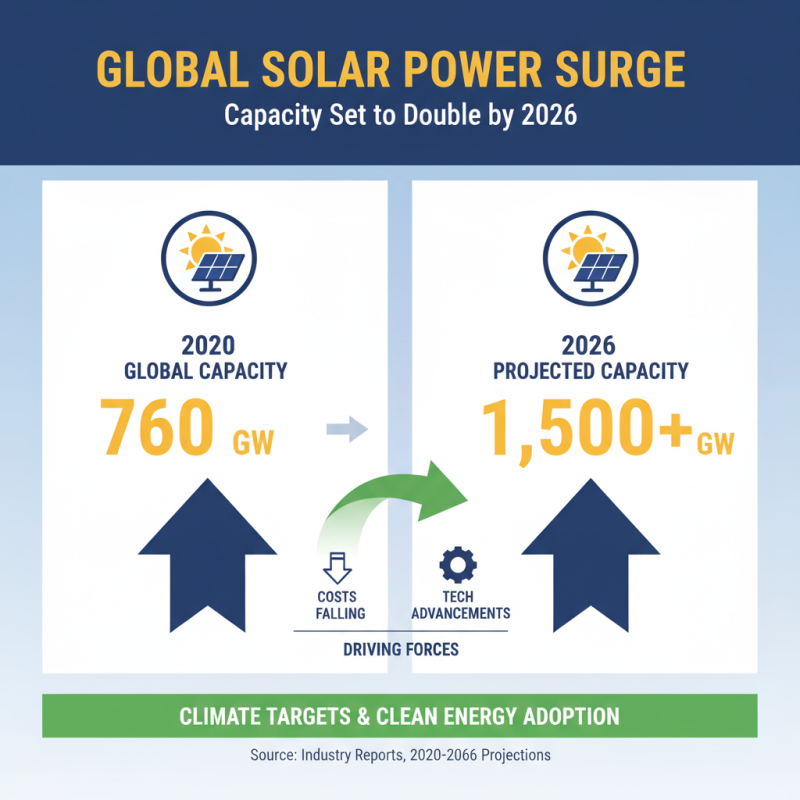
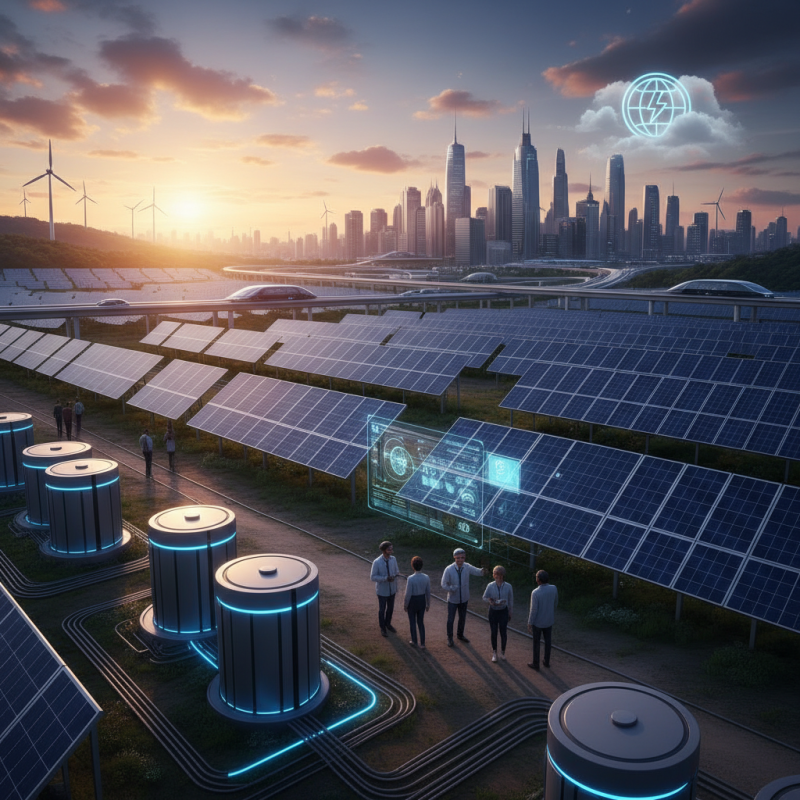
The global solar photovoltaic (PV) capacity is witnessing remarkable growth. By 2026, experts project a significant increase in installed capacity worldwide. This surge is driven by falling costs and technological advancements. Many countries are adopting solar energy to meet their climate targets. In 2020, the global capacity was around 760 gigawatts. By 2026, estimates suggest it could surpass 1,500 gigawatts.
Challenges remain despite this progress. The integration of solar energy into existing grids can be complex. Some regions struggle with inconsistent governmental support. Innovations in storage technology may address these issues. Energy storage improves reliability and allows solar power to be used when the sun isn't shining. However, this technology is still developing and needs more investment.
Countries with strong policies could lead solar growth. Emerging markets may experience rapid growth due to abundant sunlight. But they also face infrastructure challenges. Access to financing is crucial for these regions. Sustainable growth will require collaboration among governments, businesses, and communities. The future of solar PV depends on overcoming these obstacles. Progress is promising, yet it needs careful management and planning.
Role of Energy Storage Solutions in Enhancing PV Efficiency
Energy storage solutions are pivotal in enhancing the efficiency of photovoltaic (PV) systems. As solar energy becomes more prevalent, the need to mitigate its intermittency grows. According to the International Renewable Energy Agency (IRENA), integrating storage can boost PV capacity by up to 50%. This synergy allows for a more stable energy supply, even during peak demand hours.
Battery technologies are evolving rapidly. Lithium-ion batteries dominate but alternatives, such as flow batteries and solid-state options, are emerging. The Energy Storage Association projects a growth of over 30% annually in advanced storage solutions. However, the industry faces challenges. Current costs can be prohibitive, and recycling remains a concern. These hurdles prompt ongoing research and innovation to improve sustainability.
Public perception of energy storage also needs attention. While many recognize its importance, some remain skeptical about its viability. The U.S. Department of Energy reports that misinformation about the lifespan and efficiency of energy storage can hinder adoption. Correcting these misconceptions is crucial for widespread acceptance and implementation of effective solutions.
2026 Top PV Energy Trends and Innovations You Need to Know - Role of Energy Storage Solutions in Enhancing PV Efficiency
| Trend/Innovation |
Description |
Impact on PV Efficiency |
Energy Storage Solution |
| Bifacial Solar Panels |
Utilizing both sides of the panel for solar energy capture. |
Increased energy generation by up to 30%. |
High-capacity batteries for optimized storage. |
| Advanced Inverters |
Smart inverters that optimize power output and grid interaction. |
Enhanced energy management and reduced losses. |
Integrated storage with predictive analytics. |
| Solar Tracking Systems |
Systems that follow the sun’s path for maximum exposure. |
Up to 40% more energy generation. |
Quick response batteries to handle fluctuations. |
| Building-Integrated Photovoltaics (BIPV) |
Integration of solar panels into building materials. |
Aesthetically pleasing and efficient use of space. |
Modular energy storage for optimal energy use. |
| Enhanced Recycling Methods |
Techniques to recycle solar panels efficiently. |
Reduces waste and lowers costs. |
Storage systems to buffer energy during recycling processes. |
Regulatory Changes and Incentives Shaping the PV Landscape by 2026
As we look toward 2026, regulatory changes will significantly influence the photovoltaic (PV) energy landscape. Governments around the world are implementing new policies to support renewable energy adoption. These regulations often include tax incentives and rebates for solar installations. Such measures encourage both residential and commercial investments in PV technology.
However, the evolving framework is not without challenges. Some regulations can be complex, creating confusion for potential investors. This complexity may hinder progress in areas that need solar energy the most. Additionally, certain regions may lag behind due to outdated policies or lack of financial incentives. This uneven landscape can limit accessibility for communities eager to embrace solar power.
Furthermore, local governments play a crucial role. Their decisions on zoning and permitting can either accelerate or slow down solar projects. It’s vital for stakeholders to remain informed about these developments. Continuous engagement with policymakers is essential. This ensures that the incentives remain effective and align with the evolving energy needs of society. Balancing regulations with innovation will be key in driving the future of PV energy.
Impact of Digital Tools and AI on Solar Energy Management and Optimization
In recent years, digital tools and artificial intelligence have transformed solar energy management. AI systems can analyze vast amounts of data quickly. They predict energy production based on weather patterns, improving efficiency. This predictive capability allows for better energy allocation.
Solar farms now use drones for site inspections. These drones provide real-time data. However, the integration of AI into these systems is not without challenges. Traditional energy strategies must adapt to include these innovations. Not all operators are ready to dive into advanced technology. Some still rely on outdated methods, risking operational efficiency.
Data management is crucial for optimization. Advanced analytics helps identify performance issues early. Yet, there is a learning curve. Many technicians lack training in these new digital systems. The reliance on technology raises questions about job security in the sector. Automation and AI can improve operations but may displace some workers. The path forward is complex and requires careful consideration.
2026 Top PV Energy Trends and Innovations