Top Benefits of Sun Energy in Sustainable Living?
Sun energy has gained significant attention in sustainable living. It offers numerous advantages that resonate with eco-conscious individuals. Harnessing the power of the sun reduces our reliance on fossil fuels. This shift can lower greenhouse gas emissions significantly. Utilizing sun energy lowers electricity bills, making it economically attractive for many households.
Moreover, solar technology has advanced rapidly. Solar panels are now more efficient and accessible than ever. Many communities are adopting solar farms to generate clean energy. These initiatives often lead to job creation and local economic growth. However, some may question the initial installation costs. Despite this, the long-term benefits often outweigh the challenges. Sun energy promotes a healthier planet and sustainable future. It’s a practical choice for responsible living. Yet, more awareness is needed to fully embrace its potential. Overall, sun energy is a pivotal component in our pursuit of sustainability.
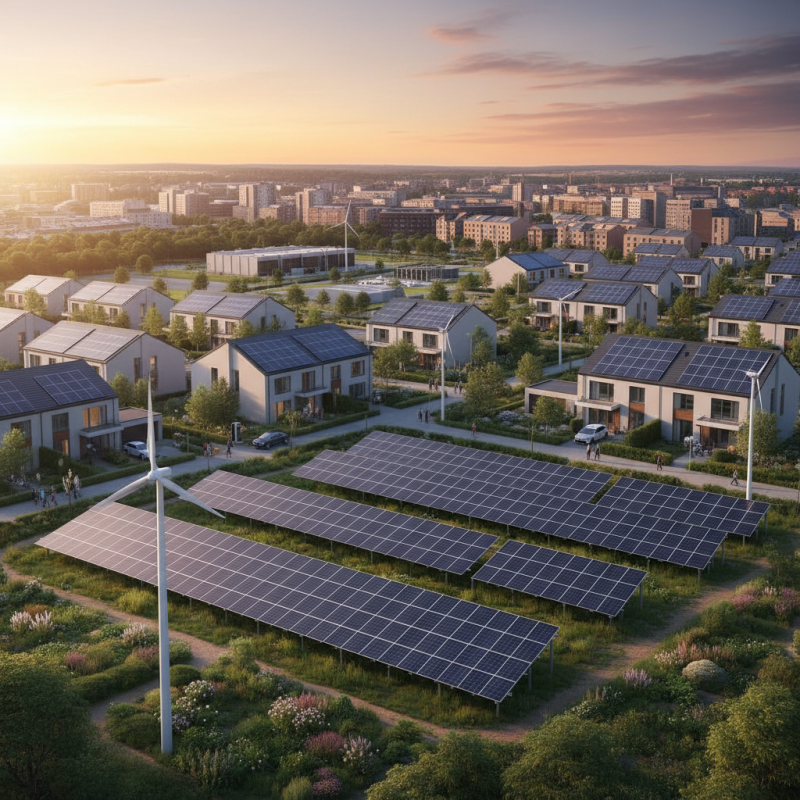
Understanding Solar Energy and Its Role in Sustainable Living
Solar energy plays a vital role in sustainable living. It is derived from the sun’s rays, a resource that is abundant and renewable. Utilizing solar panels on rooftops can significantly reduce electricity bills. Homeowners often see firsthand the impact of harnessing this clean power. The bright sun can power homes and reduce reliance on less sustainable energy sources.
However, the initial cost of solar installation can be a barrier for many. Not everyone can afford high upfront expenses, even with long-term savings. This creates a gap in access to solar energy. Additionally, the efficiency of solar panels can vary based on location and climate conditions. Not all places receive the same amount of sunlight throughout the year, which can affect energy production.
Despite these challenges, the benefits of solar energy are compelling. It reduces greenhouse gas emissions, contributing to a healthier planet. Communities embracing solar energy often inspire others to consider sustainable practices. The journey toward realizing solar potential involves overcoming hurdles and continuous learning. It encourages individuals to reflect on their energy choices and the broader impact on the environment.
Key Environmental Benefits of Utilizing Solar Energy
Solar energy stands out as a key player in environmental sustainability. It reduces our reliance on fossil fuels. Traditional energy sources often release harmful emissions. These emissions contribute to global warming. Solar power is a clean alternative. It generates electricity without producing air pollutants. This transition can dramatically lower greenhouse gas levels.
Implementing solar energy systems might require effort. Installation can be costly upfront. However, benefits multiply over time. Lower energy bills entice many households. Solar panels can pay for themselves through savings. Even small-scale installations on rooftops help combat climate change. Additionally, it promotes energy independence for communities. There's a feeling of empowerment in reducing utility dependency.
While solar energy has environmental advantages, challenges persist. For instance, solar panels require space and can disrupt land use. The production process involves materials that sometimes aren't eco-friendly. These aspects can lead to ecological concerns. Pushing for innovation is essential. Sustainable living through solar energy requires continuous improvement and conversation.
Top Benefits of Sun Energy in Sustainable Living
The utilization of solar energy offers numerous environmental benefits that contribute to sustainable living. The following chart illustrates some key advantages of switching to solar energy, highlighting their positive impacts on the environment.
Economic Advantages of Solar Energy in Sustainable Practices
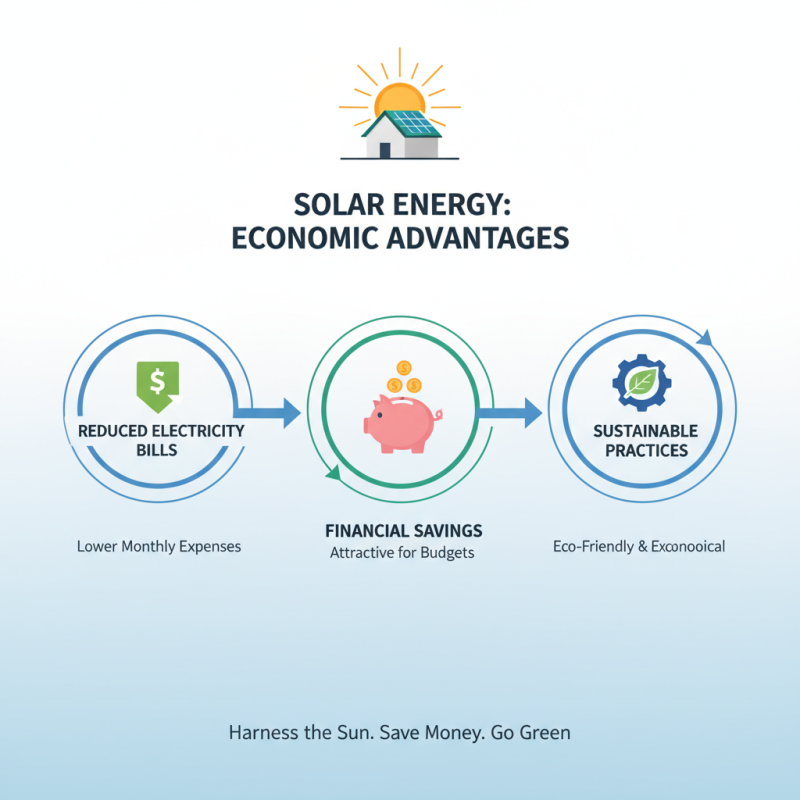
Solar energy presents significant economic advantages for sustainable practices. Reducing electricity bills is a primary benefit. By harnessing solar power, homeowners can lower their monthly expenses considerably. Financial savings are attractive, especially for those on tight budgets.
Moreover, solar energy systems often increase property values. Homes with solar panels can sell for a premium. This is appealing for homeowners contemplating future sales. Additionally, solar creates job opportunities. The installation and maintenance of solar panels require skilled labor. Local economies can thrive with more green energy jobs.
Despite these benefits, challenges remain. Initial setup costs can deter some homeowners. Not everyone can afford the upfront investment. There’s also the issue of weather dependency. Cloudy days can affect energy production. A balanced approach is vital for maximizing solar benefits. Careful planning and research can help overcome these hurdles. Communities should consider these factors for sustainable energy transitions.
How Solar Energy Contributes to Energy Independence
Solar energy plays a significant role in enhancing energy independence. By harnessing sunlight, individuals can reduce their reliance on traditional energy sources. This shift allows for a more stable energy environment. Homeowners often install solar panels, generating their own electricity. This leads to lower utility bills, which is a tangible benefit.
However, the transition to solar energy isn't always seamless. The initial costs can be high, and not every home gets the ideal sun exposure. Some may struggle with installation logistics. These challenges can make the decision feel overwhelming. Yet, many find that with time, the investment pays off in both savings and environmental impact.
Energy independence can also lead to a more resilient economy. Communities relying on local solar farms can foster job creation. People trained in solar technology are part of a growing workforce. Still, there’s a need for continuous improvement in efficiency and accessibility. This aspect requires collective effort and innovation to make solar energy a viable option for everyone.
Top Benefits of Sun Energy in Sustainable Living - How Solar Energy Contributes to Energy Independence
| Benefit |
Description |
Impact on Energy Independence |
| Reduction of Greenhouse Gases |
Solar energy systems produce clean energy that helps lower carbon emissions. |
By using solar energy, communities can diminish reliance on fossil fuels. |
| Cost Savings |
Solar energy can significantly reduce electricity bills through self-generated power. |
Lower costs enhance energy security for individuals and businesses. |
| Job Creation |
The solar industry creates a diverse range of jobs in installation, maintenance, and manufacturing. |
Job growth in green industries supports local economies and reduces dependency on external labor markets. |
| Energy Storage Solutions |
Advancements in battery technology allow solar power to be stored for use when needed. |
Storage solutions facilitate independence from grid supply and enhance resilience against outages. |
| Increased Property Value |
Homes with solar installations often have higher resell values due to lower utility costs. |
Higher property values reduce financial risks associated with energy costs. |
| Energy Accessibility |
Solar energy can be harnessed in remote areas where traditional energy sources are unavailable. |
Accessibility enhances community resilience and energy self-sufficiency. |
Future Trends in Solar Technology for Sustainable Development
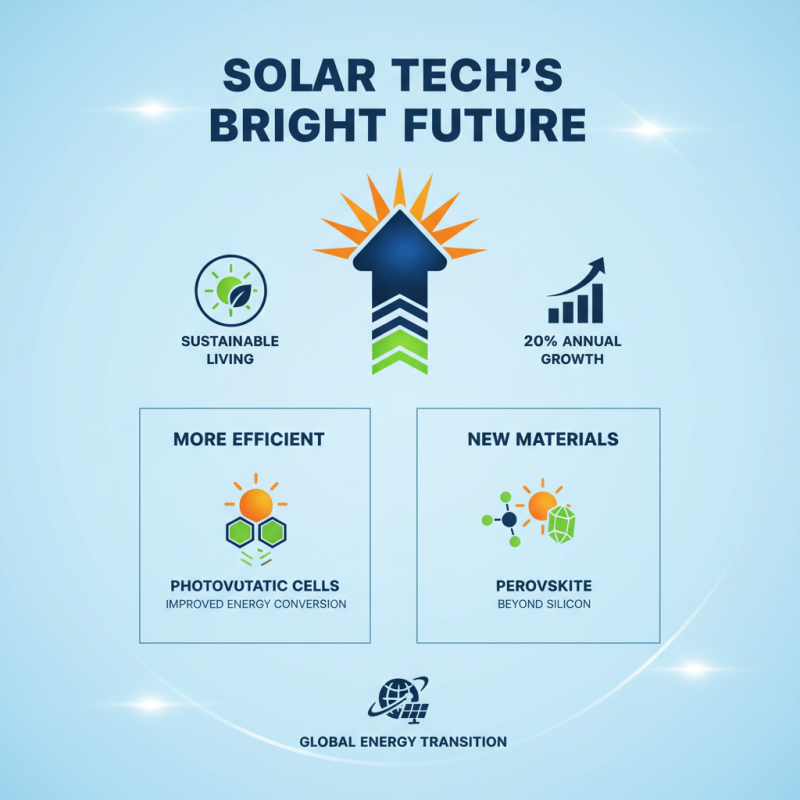
The future of solar technology promises to reshape sustainable living. Innovations are moving rapidly, with the global solar energy market expected to grow at a rate of 20% annually. The momentum is fueled by advancements in photovoltaic cells, which are becoming more efficient and cost-effective. For instance, new materials like perovskite have shown potential to improve energy conversion efficiency beyond traditional silicon cells.
Moreover, the integration of artificial intelligence in solar energy systems is creating smarter grids. AI can optimize energy consumption by predicting usage patterns. A report from the International Energy Agency suggests that AI applications could save up to 20% in electricity costs through enhanced energy management. However, there are challenges. The reliance on AI raises concerns about data privacy. If not addressed, this can deter users from adopting new technology.
Finally, decentralized solar energy systems are gaining traction. These systems allow households to produce energy locally, promoting energy independence. However, regulatory hurdles remain. Policymakers need to create supportive frameworks. Without these, many may hesitate to invest in solar solutions. Thus, while the future of solar technology looks bright, it’s essential to navigate its complexities thoughtfully.