Best Ev Charger Wall Plug Options for Home Charging?
As electric vehicles (EVs) gain popularity, the need for effective home charging solutions increases. The right Ev Charger Wall Plug can significantly enhance the user experience. According to a recent study by the International Energy Agency, global electric car stock reached 10 million in 2020, doubling the number from 2019. This growing market demands reliable, efficient home charging options.
Using an EV Charger Wall Plug allows users to charge their vehicles conveniently. However, not all chargers are created equal. Some homes may face challenges with installation or compatibility issues. Reports suggest that nearly 30% of EV owners express dissatisfaction with their charging setup. This highlights the importance of choosing the right product for your specific needs. While many options exist, identifying the best fit can be overwhelming.
Ultimately, investing in high-quality charging equipment leads to greater satisfaction. Yet, it's essential to reflect on your charging habits and requirements. Selecting an optimal EV Charger Wall Plug requires careful consideration of factors such as charging speed and location. The right choice can transform your EV ownership experience, making it seamless and efficient.
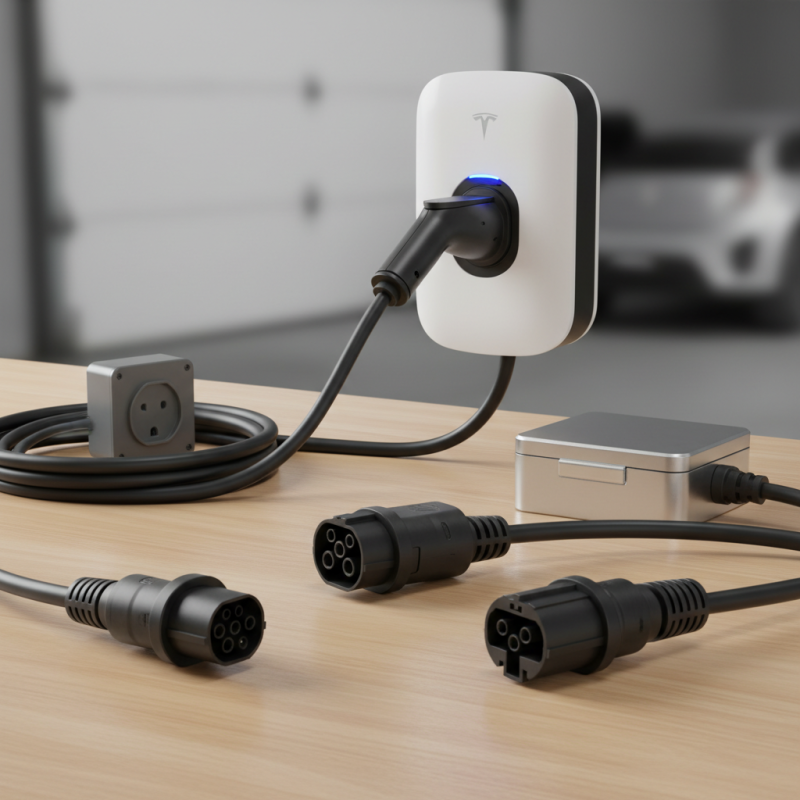
Best Ev Charger Wall Plug Options for Home Charging: A Comprehensive Guide
When looking for an EV charger wall plug for home charging, several factors come into play. The convenience of home charging is undeniable. You can charge your vehicle overnight, waking up to a full battery. However, not all chargers are created equal. You need to consider charging speed, compatibility, and safety features.
A Level 2 charger is often recommended. It provides faster charging than standard outlets. These chargers often come with adjustable amperage. This allows you to customize the charging speed to your needs. A simple plug option is ideal for those who want ease of use. However, some users report installation challenges. Hiring a professional may be necessary, which adds to the cost.
Another aspect to reflect on is the location of the charger. It should be easily accessible yet safe from elements like rain or snow. Outdoor chargers might require weatherproofing. Flexibility in cord length can also improve usability. Users may find themselves moving their vehicles frequently, so a longer cord could be beneficial in tight spaces. Finding the perfect setup can require some trial and error. It’s all about balancing convenience with functionality.
Understanding the Different Types of EV Chargers Available for Home Use
When considering home charging for electric vehicles, understanding different charger types is crucial. Three primary categories exist: Level 1, Level 2, and DC Fast Chargers. Level 1 chargers plug into standard household outlets. They provide about 4 to 5 miles of range per hour. This option seems convenient but can be slow for daily users. Depending on driving habits, many might find this insufficient.
Level 2 chargers, on the other hand, use 240-volt outlets. They can deliver between 10 and 60 miles of range per hour. According to the U.S. Department of Energy, about 80% of EV owners choose Level 2 chargers at home. These systems need professional installation, which adds to the initial cost. However, many find the investment worthwhile due to the convenience and speed in depowering their vehicle at home.
Lastly, DC Fast Chargers are typically found in public charging stations. They can replenish an EV's battery in about 30 minutes. Yet, that speed comes with a price. Installation for home use is rare and often impractical. Homeowners must weigh their options carefully. Each type presents unique advantages and drawbacks.
Key Features to Look for in Home EV Charger Wall Plugs
When choosing a home EV charger wall plug, several key features should be prioritized. Power output is essential. Most EVs can handle 3.3 kW, but newer models often support higher capacities. A 7.2 kW charger can reduce charging time significantly. Charging speed impacts convenience, making higher output chargers better for daily use.
Another vital aspect is the connector type. Most electric vehicles use a standard J1772 connector in North America. However, adapters may be needed for specific models. Additionally, consider safety features like overcurrent protection and surge protection. Reports indicate that nearly 70% of charging mishaps stem from electrical issues.
Integration with is another valuable feature. A smart charger can optimize charging times based on utility rates. It can also send alerts for charging status. Some users, however, may find these features complicated. Installation is another factor to weigh. A professional installation ensures safety and compliance with local codes. Remember that not all users have access to convenient installation locations. Choosing the right EV charger involves careful consideration of these aspects.
Analyzing Charging Speeds: Level 1 vs Level 2 EV Charger Performance
Charging an electric vehicle (EV) at home can vary greatly in efficiency based on the charger type used. Level 1 chargers typically offer a power output of 1.2 kW. This translates to about 4 to 5 miles of range per hour of charging. For daily drivers covering under 40 miles, this may suffice. However, during longer trips, this slow pace can be a significant setback. Many EV owners report frustration with their slow charging progress, causing plans to be reshuffled.
In contrast, Level 2 chargers deliver between 3.3 kW and 19.2 kW. This means they can add about 10 to 60 miles of range per hour, depending on the vehicle’s capabilities and charger strength. For instance, a Level 2 charger with a 7.2 kW output can fully charge a standard EV battery in roughly 5 to 8 hours. According to a recent report by the U.S. Department of Energy, over 90% of public charging stations are Level 2, highlighting their importance in both home setups and public infrastructure.
Yet, not all homes are equipped to handle Level 2 charging. Upgrading wiring and electrical panels can be costly. Many homeowners hesitate. This can impede broader EV adoption, as charging speed plays a crucial role in the overall experience. Achieving balance in charging convenience versus cost remains a task for many EV users today.
Cost Comparison: Budget-Friendly vs Premium Home EV Charger Options
When considering home EV charger options, cost is a significant factor. Budget-friendly chargers can range from $300 to $600. According to a report by the International Energy Agency, these options are perfect for average users who drive 30 miles or less daily. However, they may offer lower charging speeds, typically around 3.7 to 7.2 kW.
On the premium side, prices can soar up to $1,200 or higher. These chargers often provide advanced features like Wi-Fi connectivity and faster charging speeds of 22 kW or more. They are more suitable for users with higher mileage requirements, allowing faster overnight charging. This choice can save you time, but consider if such investments fit your driving habits.
Tips: Always calculate potential savings on your electricity bill. Sometimes, expensive options may take years to pay off. Research installation costs as well. They can vary significantly by location and ease of access to power sources. Think about the long-term benefits versus short-term costs. Balancing these factors will help refine your decision.
