The Best 10 Solar Energy Business Strategies for 2026?
The solar energy business is poised for explosive growth in 2026. According to a report by the International Energy Agency, solar power could contribute up to 30% of global electricity by the year 2030. This transformation is not just a response to climate change but a vital shift in energy generation. Companies must adapt quickly to this evolving landscape.
Many businesses struggle with integrating solar technology into their operations. Challenges like high initial costs and regulatory hurdles remain prevalent. However, the long-term benefits of adopting solar strategies outweigh these concerns. A study from Bloomberg New Energy Finance highlights that the cost of solar energy has decreased by nearly 90% since 2009. This presents a unique opportunity for solar energy businesses to thrive.
To be competitive, these companies must embrace innovative business strategies. Focusing on consumer education and engagement is essential. Market research indicates that informed customers are more likely to invest in solar solutions. As we head into 2026, a clear vision for growth and adaptability will separate the leaders from those lagging behind in the solar energy business.

Emerging Trends in Solar Energy Technology for Business Growth
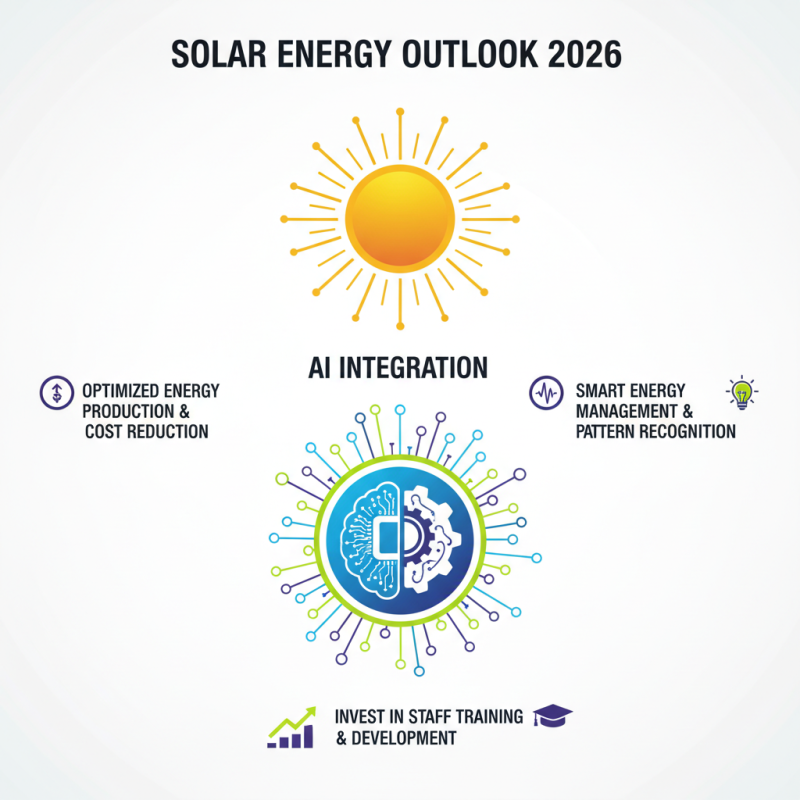
The solar energy industry is vibrant and rapidly evolving. As we approach 2026, several trends are emerging that can reshape business strategies. First, the integration of artificial intelligence (AI) in solar technology is a critical trend. AI can optimize energy production and manage consumption efficiently. It identifies patterns in energy usage, leading to reduced waste and lower costs. However, companies must invest in training staff to understand and leverage this technology fully.
Another important trend is the rise of energy storage solutions. With improved battery technologies, storing solar energy has become more feasible. Businesses can now draw from stored energy during peak hours, ensuring consistent power availability. Still, the challenge lies in the initial investment costs. Many companies hesitate to commit substantial funds without guaranteed returns. Finally, partnerships among businesses and local governments are vital. Collaborations can foster innovation and lead to community-focused solar projects. Yet, coordination and alignment of interests can be tricky. Stakeholders often have conflicting goals and timelines, requiring ongoing communication and flexibility.
Effective Marketing Strategies for Solar Energy Companies in 2026
In 2026, effective marketing strategies for solar energy companies will be crucial. The solar market is expected to reach over $223 billion by 2026, reflecting increased consumer demand. However, the competition is also intensifying, necessitating unique approaches to stand out.
Digital marketing will play a key role. Search engine optimization (SEO) can help companies appear on top of search results. A recent report indicated that 70% of consumers research online before purchasing solar products. Social media will also be essential. Engaging content can raise awareness and build community trust. Videos showing installations or customer testimonials can humanize brands and create emotional connections.
Despite these strategies, companies may struggle with messaging. Many fail to clearly convey the benefits of solar energy. This can lead to consumer confusion. Data shows that over 40% of potential customers do not understand solar financing options. Addressing this gap through educational campaigns will be vital. Transparency can foster trust, a critical component in decision-making for homeowners.
The Best 10 Solar Energy Business Strategies for 2026
Building Strategic Partnerships in the Solar Energy Sector
Building strategic partnerships in the solar energy sector is vital for growth. According to a recent report from the International Energy Agency (IEA), global solar capacity has increased by 23% in a year. This surge highlights the importance of collaboration among businesses. By forming alliances, companies can pool resources and expertise, leading to innovation and efficiency.
Emerging trends show that joint ventures are gaining traction. Companies that collaborate can leverage each other’s strengths. For instance, shared technology can reduce costs. A study by SolarPower Europe emphasizes that effective partnerships can cut project costs by up to 30%. This is crucial, especially as market competition intensifies. Partnerships can also enhance risk management. Shared investments allow businesses to tackle uncertainty with greater confidence.
Many companies, however, struggle with partnership dynamics. Miscommunication and misaligned goals can hinder success. In an industry rapidly changing due to technological advancements, adjusting strategies is essential. Continuous evaluation of partnerships is necessary to ensure they are meeting objectives. Adjustments may involve redefining roles or even dissolving ineffective collaborations. The focus should always be on mutual benefits and long-term growth.
Government Policies and Incentives Impacting Solar Energy Businesses
Government policies play a crucial role in shaping solar energy businesses. Incentives like tax credits and rebates encourage investment. These financial benefits can reduce installation costs significantly, attracting both consumers and entrepreneurs. However, policy changes can disrupt market stability. Businesses must stay alert to regulatory updates.
In 2026, we may see more stringent regulations. This can impact project feasibility and profits. Companies must adapt quickly to new compliance requirements. Balancing innovation with regulation will be challenging. There's also a risk of over-reliance on government support. If policies shift, businesses could face significant financial hurdles.
Furthermore, collaboration with local governments is essential. Building a strong relationship can lead to mutually beneficial projects. Solar businesses should engage in community discussions. Understanding local needs can improve strategies. Emphasizing sustainability and job creation can win public support. Yet, companies must also ensure they deliver on promises. This balance is critical for long-term success in the solar sector.
Sustainable Practices for Long-term Success in Solar Energy Enterprises
In 2026, solar energy businesses need to embrace sustainable practices to thrive. Adopting eco-friendly materials can significantly reduce the carbon footprint. Sourcing materials locally cuts down on transportation emissions. Transparency in the supply chain is crucial. Customers increasingly value ethical sourcing and production methods.
Investing in community relations is essential. Building trust with local communities fosters goodwill and potential partnerships. However, challenges arise. Not every community is receptive. Misunderstandings may occur, requiring patience and open dialogue. Companies must be willing to listen and adapt their strategies based on feedback.
Finally, employee training in sustainability should be prioritized. Knowledgeable staff can implement best practices and inspire others. Workplaces can become centers of innovation. Yet, maintaining consistent training programs can be difficult. Resources may be limited, and not all employees may engage fully. Businesses must continuously evaluate and refine their training approaches to ensure maximum impact.
The Best 10 Solar Energy Business Strategies for 2026
| Strategy |
Description |
Projected Impact |
Implementation Period |
| Community Engagement |
Fostering local relationships to boost customer loyalty. |
Increased market share by 10% |
2024-2026 |
| Innovative Financing Options |
Offering flexible payment plans and leasing options. |
Attracting a wider customer base |
2023-2026 |
| Vertical Integration |
Controlling the supply chain for efficiency. |
Cost reduction by 15% |
2025-2026 |
| Technological Innovation |
Investing in R&D for advanced solar technologies. |
Improved efficiency by 25% |
Ongoing |
| Sustainability Initiatives |
Implementing eco-friendly practices in operations. |
Enhanced brand reputation |
2023-2026 |
| Strategic Partnerships |
Collaborating with energy suppliers and technology firms. |
Increased innovation rate |
2024-2026 |
| Customer Education Programs |
Helping customers understand solar benefits and technology. |
Higher adoption rates |
2023-2025 |
| Remote Monitoring |
Integrating digital tools for system tracking. |
Enhanced customer service |
2024-2026 |
| Policy Advocacy |
Engagement in policy discussions to shape favorable regulations. |
Sustainable industry growth |
2023-2026 |