2026 Best Solar Project Innovations for a Sustainable Future?
As we approach 2026, innovations in solar projects are pivotal for building a sustainable future. Experts like Sarah Green, a well-respected figure in the solar project industry, emphasize that "innovation is the key to unlocking the true potential of solar energy." This statement highlights the pressing need for creative solutions to maximize efficiency and accessibility.
The solar project landscape is constantly evolving. New technologies promise to enhance performance and reduce costs. For instance, advances in solar panel design have made it possible to generate more energy in smaller spaces. However, the industry still struggles with scalability and integration. Many proposed solutions remain untested or underutilized, leading to missed opportunities.
Moreover, while some innovations might seem promising, they often require significant investment or time to implement. There are concerns about whether these innovations can keep pace with the growing energy demands. As we explore the best solar project innovations for a sustainable future, we must also reflect on the barriers that hinder progress. This balance between optimism and realism is crucial for fostering a truly sustainable solar industry.
Innovative Solar Technologies Transforming the Energy Landscape in 2026
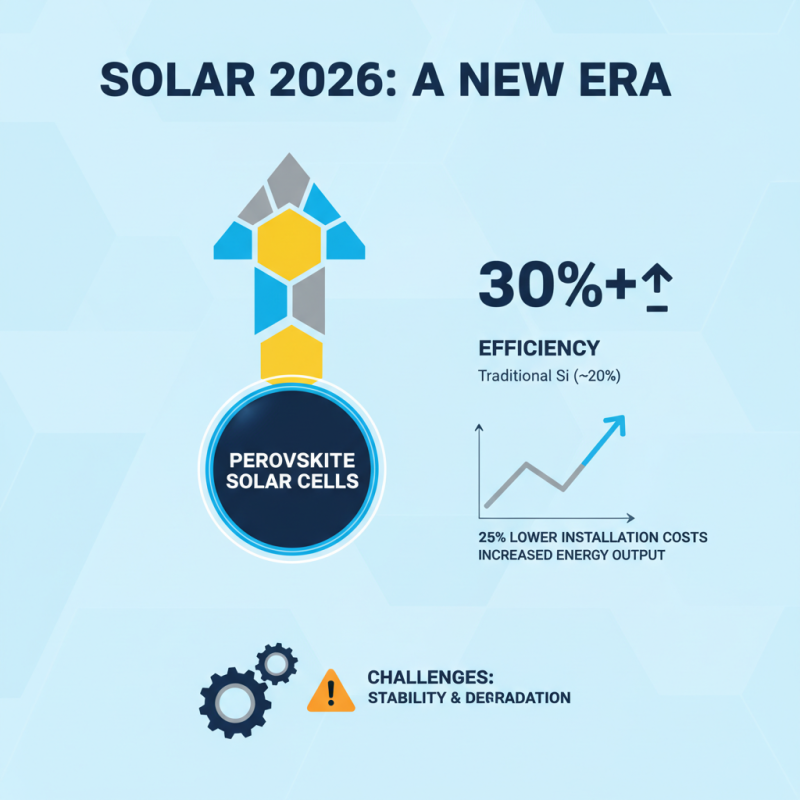
In 2026, innovative solar technologies are reshaping our energy landscape. New solutions are emerging. For instance, perovskite solar cells show a remarkable efficiency increase, reaching over 30%. This is a significant leap from traditional silicon cells, which average around 20%. Recent studies indicate that perovskites could lower installation costs by 25% while increasing energy output. Yet, these advancements aren't without challenges. Stability and degradation remain pressing issues.
Moreover, solar tracking systems are gaining traction. Reports suggest that these systems can boost energy capture by up to 40%. They adjust according to the sun’s position. This technology offers better performance, especially in regions with variable sunlight. However, the initial investment is higher, which deters widespread adoption.
Energy storage also plays a critical role. Advanced battery systems are crucial for managing solar energy. Data reveals that integrating efficient storage can increase grid reliability by 30%. This means less dependency on fossil fuels. Still, the environmental impact of manufacturing batteries is an area for reflection and improvement.
Breakthrough Solar Materials Enhancing Efficiency and Sustainability
Breakthrough solar materials are revolutionizing the industry. Emerging technologies focus on enhancing efficiency and sustainability. A recent report indicates that the efficiency of solar panels has increased from around 15% to over 22% in the past decade. This leap has been driven by innovative materials like perovskite.
Perovskite solar cells show promise due to their low production costs and high absorption capabilities. They can be manufactured using simple processes, unlike traditional silicon-based cells. Data reveals that perovskite cells can achieve efficiencies of up to 28%, making them a game-changer. However, stability remains a concern; these cells degrade faster under environmental stress.
Another exciting development is bifacial solar panels. These panels capture sunlight on both sides, increasing energy generation. They can boost energy output by up to 30%. But, manufacturers face challenges with installation and maintenance. The balance between performance and practicality requires careful consideration. As the solar industry continues to innovate, the journey to a sustainable future is filled with both breakthroughs and obstacles.
2026 Best Solar Project Innovations for a Sustainable Future
| Innovation Type |
Efficiency (%) |
Sustainability Features |
Year of Development |
Potential Impact (MW) |
| Perovskite Solar Cells |
28% |
Low-cost materials, recyclable |
2026 |
1000 |
| Bifacial Solar Panels |
22% |
Double-sided energy capture |
2025 |
800 |
| Solar Skin Technology |
20% |
Aesthetic integration with roofs |
2024 |
650 |
| Transparent Solar Panels |
18% |
Dual-use as windows |
2026 |
500 |
Smart Solar Solutions: Integration with IoT and Smart Grids
The integration of solar energy with IoT and smart grids marks a revolutionary shift. Smart solar solutions are becoming essential as they enable efficient energy management. Sensors and connected devices can optimize energy production and consumption. These systems can analyze weather patterns and predict energy needs. However, they depend on reliable data sources, which can be a challenge.
Imagine a neighborhood where solar panels are connected to smart grids. This network can redirect excess power to homes that need it most. It sounds ideal, yet there are concerns about data privacy. Users may worry about how their energy consumption is tracked. Additionally, there’s the challenge of ensuring system interoperability. Various manufacturers may create devices that do not communicate seamlessly with each other.
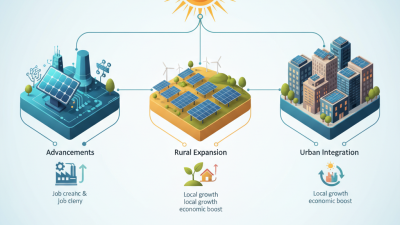
Moreover, while these innovations promise sustainability, they also require significant investment. Smaller communities may struggle to implement these technologies fully. The disparity in access to these intelligent systems could widen the gap between urban and rural areas. Addressing these issues is just as crucial as the technology itself. Without thoughtful solutions, the benefits of smart solar integrations may not reach everyone.
2026 Best Solar Project Innovations
Community Solar Projects: Empowering Local Energy Independence
Community solar projects are revolutionizing local energy independence. These initiatives allow communities to invest in shared solar facilities. Residents can benefit without needing to install panels on their properties. This model opens doors for renters and those unable to afford solar systems.
According to the National Renewable Energy Laboratory, community solar can provide clean energy to up to 50 million people by 2025. This accessibility is crucial, especially in underserved areas. However, challenges remain. Not all communities have the same regulatory support or financing options. Many potential projects struggle to gain traction due to varying state policies.
In some cases, community solar initiatives face resistance from traditional energy providers. Despite the growing interest, not every project achieves its goals. Some don’t go beyond the planning stages. Addressing these hurdles is essential for the future of community solar. Enhancing collaboration among stakeholders can lead to more effective solutions. The potential for local energy independence is significant, but it requires collective effort and innovation.
Future Trends in Solar Project Financing and Investment Strategies
The future of solar project financing is evolving rapidly. Investors now seek innovative funding strategies. They want to balance profitability and sustainability. Traditional financing is blending with new digital platforms. This creates opportunities for smaller projects.
Many projects now utilize crowdfunding. This allows community members to invest directly. It empowers locals and fosters a sense of ownership. However, not every project achieves its funding goals. Some face challenges in attracting enough backers.
Tips: Regularly engage with potential investors. Share updates on your project’s progress to build trust. Transparency can lead to better funding outcomes.
Sustainability bonds are also gaining traction. They focus on environmental impact and social responsibility. However, the market can be confusing. Not all investors are familiar with these tools. Education and clear communication are essential.
Tips: Create informative materials explaining the benefits. Host workshops to demystify the financing process. This can enhance interest and attract diverse investors.