2026 Best Solar PV Solutions for Global Buyers?
In the rapidly evolving landscape of renewable energy, solar photovoltaics (PV) stands as a beacon of hope. Industry expert Dr. Emily Sutherland emphasizes this, stating, "Investing in solar PV is not just a choice; it's a necessity for a sustainable future." As we look toward 2026, global buyers face numerous options in the solar PV market. It is crucial to navigate this terrain with informed decisions.
The solar PV sector is diverse, offering solutions tailored to various needs. From residential systems to large-scale solar farms, the potential is immense. However, challenges exist. Not all products meet the same quality standards. Buyers must conduct thorough research. Evaluating efficiency, warranty, and durability is vital when selecting solar PV solutions. The market is flooded with options, making the choice overwhelming.
A smart investment in solar PV can yield long-term benefits. The urgency of climate change demands innovative solutions. Yet, buyers should also reflect on their choices. Not all manufacturers will provide reliable service or support. As the solar PV industry continues to grow, informed buyers will lead the change toward a sustainable energy future.
2026 Global Solar PV Market Overview: Trends and Projections
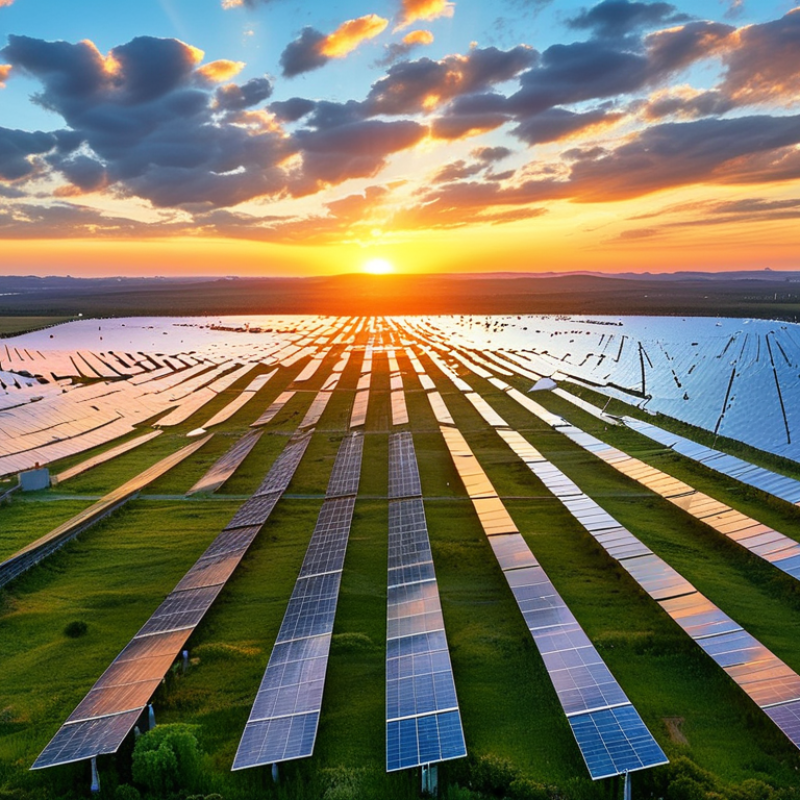
As the world progresses towards renewable energy, the solar photovoltaic (PV) market is experiencing rapid growth. By 2026, projections indicate a significant increase in both adoption and innovation. Countries are investing heavily in solar technologies. This is driven by the urgency to combat climate change and reduce carbon footprints.
In 2026, solar PV solutions are expected to become more efficient while costs decline. Emerging markets are likely to witness a surge in installations, making clean energy accessible to more people. However, challenges remain. Some regions still struggle with infrastructure and regulatory issues. This creates barriers that require careful attention and strategic planning. Sustainable growth necessitates collaboration between governments, companies, and communities.
Innovation will play a crucial role in shaping the future. Energy storage technologies are expected to evolve, allowing for better integration of solar power. Enhanced grid systems will improve reliability and accessibility. Despite the optimism, it’s essential to remain cautious. Market fluctuations and changing policies could impact progress. Stakeholders need to stay informed and agile in response to these dynamics.
Key Players in 2026 Solar PV Solutions: Market Leaders and Innovations
As we approach 2026, the solar photovoltaic (PV) market continues to evolve rapidly. Key players are emerging with innovative solutions aimed at enhancing efficiency and sustainability. These technological advancements are tackling significant challenges in the industry, such as energy storage and grid integration. Providers focus on improved conversion rates and lower costs while addressing environmental impacts.
Tips: When evaluating solar PV solutions, consider their lifespan and maintenance requirements. A reliable product should last over 25 years with minimal upkeep.
The competitive landscape showcases collaborations among manufacturers, research institutes, and governments. These partnerships drive research and product development, resulting in breakthroughs in materials and designs. Emerging technologies like bifacial modules and thin-film solutions promise higher performance in diverse conditions.
Tips: Stay informed about progress in solar technology. Regularly check updates from reputable industry sources and expert analyses.
In this evolving market, buyers can benefit from understanding regional variations. Some areas excel in specific product offerings or technological innovations. Keeping an eye on these trends can help you choose the most effective solar solutions for your needs.
Technological Advancements in Solar PV: Efficiency and Cost Reduction
The solar photovoltaic (PV) industry is witnessing remarkable advancements. These innovations enhance efficiency while driving costs down. Recent breakthroughs have led to solar panels achieving record-high efficiency rates. Some panels now convert over 22% of sunlight into usable energy. This significant leap addresses the need for more sustainable energy sources.
Cost reduction in solar PV technology is equally impressive. The manufacturing processes have become more streamlined. Advanced materials are now being utilized, which lowers production costs. This makes solar power more accessible to consumers and businesses alike. Installation costs have also decreased due to improved designs and techniques.
However, challenges persist in materials longevity and recycling. The growing market requires careful consideration of the environmental impact. Moreover, while efficiency increases, the energy storage solutions still lag behind. This creates a bottleneck for managing energy produced. The focus must remain on not just innovation, but also on sustainability and durability. Balancing these factors will define the future of solar PV solutions.
2026 Best Solar PV Solutions for Global Buyers
| Type of Solar PV Technology |
Efficiency (%) |
Average Cost per Watt ($) |
Installation Time (Days) |
Warranty (Years) |
| Monocrystalline |
22.0 |
0.70 |
2 |
25 |
| Polycrystalline |
20.0 |
0.60 |
3 |
20 |
| Thin-Film |
15.0 |
0.50 |
5 |
10 |
| Bifacial |
24.0 |
0.75 |
4 |
30 |
Regulatory Impact on 2026 Solar PV Adoption: Policy Trends and Incentives
As the solar photovoltaic (PV) market evolves, regulatory frameworks play a crucial role in shaping adoption trends. According to a report from the International Renewable Energy Agency (IRENA), global solar PV capacity is expected to exceed 2000 GW by 2026. Policy incentives are a driving force behind this expansion. Countries are implementing feed-in tariffs, tax credits, and rebates to encourage installations.
However, not all regions enjoy the same regulatory environment. Inconsistent policies can create barriers for investors. For instance, a study from the Solar Energy Industries Association (SEIA) indicated that states with robust support mechanisms saw a 50% increase in residential installations, compared to those without. This illustrates the significant impact of local regulations.
While progress is evident, challenges remain. Often, policy changes are driven by political shifts, leading to uncertainty in long-term planning. Industry experts emphasize the need for stable regulations to foster innovation and investment. Additionally, some incentives may not reach local businesses effectively. Addressing these shortcomings will be vital as the sector aims for sustainable growth in the coming years.
Future Challenges for Solar PV Solutions: Supply Chain and Sustainability Issues
The solar PV industry faces significant challenges regarding supply chains and sustainability. According to the International Energy Agency (IEA), raw material shortages are becoming more common. For instance, the demand for silicon has surged, leading to increased prices. These price hikes can impact the cost of solar panels, making renewable energy less accessible.
Sustainability is another pressing issue. Many manufacturers rely on mining practices that may harm the environment. The Global Solar Council states that over 80% of silicon production occurs in regions lacking strict environmental regulations. This raises concerns about the carbon footprint of solar PV modules. It is crucial for the industry to adopt circular economy practices to mitigate this impact.
Furthermore, supply chains are often disrupted by geopolitical tensions. The latest reports indicate that supply disruptions can delay projects. This uncertainty leads to rising costs and frustrated investors. Industry leaders must collaborate to enhance transparency across the supply chain. Developing robust local supply chains can help alleviate these challenges and promote a more sustainable future for solar energy.