How to Choose Local Solar Energy Options for Your Home?
Choosing local solar energy options for your home can be overwhelming. With various solutions available, understanding how to navigate this field is essential. According to Dr. Emily Carter, a leading expert in solar energy solutions, “Local solar can empower communities to take charge of their energy needs.”
The local solar industry is rapidly evolving, offering innovative technologies. Homeowners are starting to realize the potential benefits of harnessing sunlight. However, many still grapple with how to make informed choices. Factors like installation costs, incentives, and energy efficiency play significant roles.
Evaluating local solar options often includes seeking multiple quotes. This process can be tedious and may lead to confusion. Not all solar providers offer the same quality or service. It's crucial to read reviews and ask questions about warranties. A well-thought-out decision can lead to long-term savings and environmental benefits. Embracing local solar is a step towards a sustainable future. Yet, it is vital to research and reflect upon the choices made.

Types of Local Solar Energy Options Available for Homeowners
When considering solar energy for your home, various options are available. Homeowners can choose from rooftop solar panels, solar water heaters, and community solar programs. Each type has its unique benefits and drawbacks.
Rooftop solar panels are popular. They convert sunlight into electricity directly. According to the Solar Energy Industries Association, these systems can reduce energy bills by 50-70%. However, installation costs can be high. Many homeowners struggle with financing options. Additionally, not all roofs are suitable. Shading and orientation play critical roles in their efficiency.
Solar water heaters are another local option. They can be more cost-effective than photovoltaic systems. Such systems typically provide hot water needs while reducing electricity dependence. The U.S. Department of Energy notes that solar water heaters can be 50% more efficient than traditional heaters. Nonetheless, installation may require more space and may not be suitable for every climate. Community solar programs offer an alternative, allowing those without suitable rooftops to benefit. These programs are growing, yet they may involve long waiting lists. Each option has its complexities. It's vital to assess personal needs carefully.
Types of Local Solar Energy Options for Homeowners
This chart illustrates various types of solar energy options available to homeowners, showcasing their energy output in kilowatt-hours (kWh) over a typical month.
Evaluating Your Home's Solar Potential and Energy Needs
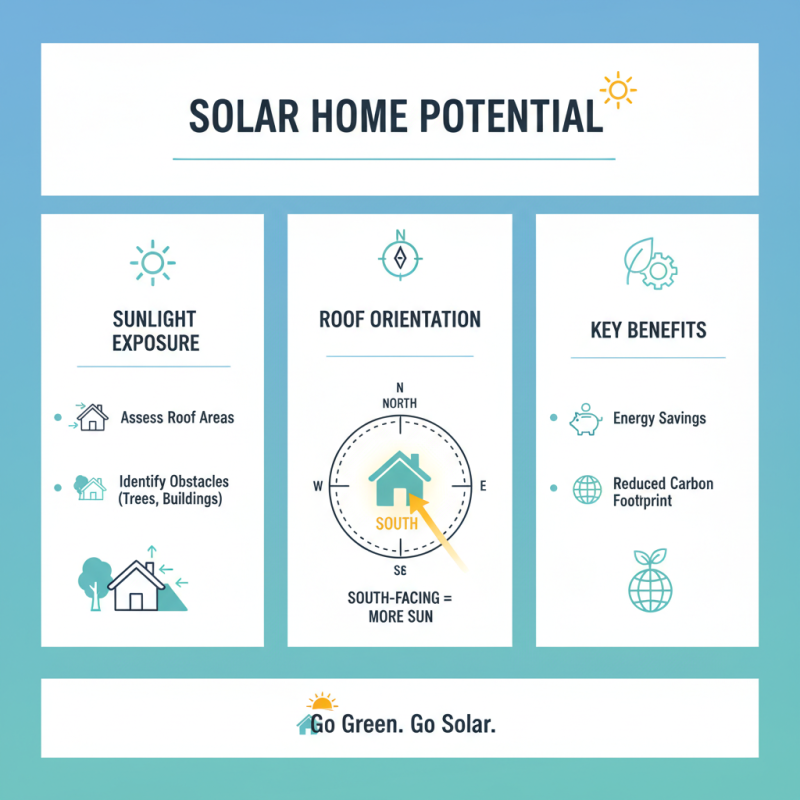
When considering solar energy options, understanding your home's solar potential is critical. Assess the amount of sunlight your roof receives. Trees, buildings, and other structures can create shadows. Take note of these obstacles. Your roof's orientation also matters significantly. South-facing roofs typically receive more sunlight.
Tips: Use a simple app to track sunlight. Monitor how shadows change throughout the day.
Next, evaluate your energy needs. Look at your monthly electricity bills. Calculate your average usage. This helps determine the size of the solar system you need. Are you planning to expand your energy consumption? Consider future electric vehicle needs or home renovations.
Tips: Create a list of all your appliances and their power requirements. This may reveal energy habits that need adjustment. Reducing waste is as important as generating power.
Your home may have great potential, but don't rush in. Take time to research. Consult with local experts to understand incentives and career choices. Reflect on your sustainable lifestyle.
Understanding Local Incentives and Rebates for Solar Installation
Local incentives and rebates can significantly impact the cost of solar installation for your home. According to the Solar Energy Industries Association (SEIA), nearly 50% of homeowners opt for solar due to financial support options. Many local governments offer property tax exemptions and sales tax rebates aimed at encouraging solar adoption. Research shows that states with robust incentive programs see a higher rate of installations.
For example, in California, residents can receive up to a $1,000 rebate for solar water heating systems. Some areas provide upfront incentives up to $3,000 depending on the system size. However, navigating these offers can be tricky. Not all programs are well-publicized, and eligibility criteria vary widely. Thus, potential solar adopters should research meticulously and consult with local energy agencies before proceeding.
Lending programs, such as PACE financing, allow homeowners to fund solar systems through property taxes. This means no upfront costs. Yet, not all homeowners may qualify. In contrast, some might overlook free federal tax credits worth 26% of installation costs. It’s essential to weigh these options carefully. Overall, insufficient awareness surrounding local incentives can lead to missed opportunities and suboptimal decisions in the solar journey.
Choosing a Reliable Local Solar Energy Provider or Installer
Choosing a reliable solar energy provider or installer is crucial for maximizing the benefits of solar energy at home. Look for companies with local experience. They understand the specific climate and solar regulations in your area. Verify their credentials and read customer reviews. Many times, what seems right on paper may not translate to real-world service.
Tips: Ask about the installation process. A good provider should explain every step clearly. Transparency is vital. Also, ensure they offer a robust warranty. This shows confidence in their work. If a company hesitates, consider it a red flag.
Trust is essential in this decision. Don't rush it. Gather multiple quotes to compare prices and services. Sometimes, the cheapest option may compromise quality. Pay attention to how they communicate. If they are unresponsive or vague during inquiries, they may not be the best fit. Take your time to reflect on these factors before making a choice.
How to Choose Local Solar Energy Options for Your Home? - Choosing a Reliable Local Solar Energy Provider or Installer
| Criteria |
Description |
Importance Level |
Considerations |
| Experience |
Years in the solar industry and project portfolio. |
High |
Check reviews and case studies. |
| Certifications |
Relevant licenses and industry certifications. |
High |
Verify with state and national organizations. |
| Customer Reviews |
Feedback from previous customers. |
Medium |
Look for ratings on multiple platforms. |
| Warranty |
Length and coverage of service warranties. |
High |
Understand what the warranty covers. |
| Pricing |
Cost of installation and financing options. |
Medium |
Compare quotes and hidden fees. |
| Local Knowledge |
Familiarity with local regulations and incentives. |
High |
Ensure compliance with local laws. |
Maintenance and Care for Your Home Solar Energy System
Maintaining your home solar energy system is crucial for maximizing efficiency. Regular cleaning of solar panels can significantly improve energy capture. According to the National Renewable Energy Laboratory, dirty panels can lose up to 25% efficiency. Rain can help, but manual cleaning is often necessary, especially in dusty areas. A simple wash using a soft brush and water can keep them operating at peak performance.
Monitoring your system is vital. Many homeowners overlook this step. It's easy to assume everything is functioning well, but small issues can escalate. Use monitoring apps to check energy production regularly. Reports show that systems monitored closely achieve up to 10% more efficiency than those that aren't. Look out for any changes in output; they may indicate a need for repairs or maintenance.
Annual inspections by a qualified technician are often recommended. These professionals can identify potential problems that homeowners might miss. They’ll check connections, inverter functionality, and system wear. Investing in yearly maintenance can prevent costly repairs down the line. Inspections may reveal issues like frayed wires or corroded components, which could lead to inefficiencies. Embracing this approach can guarantee your solar system’s longevity.