Why Should You Consider a Solar Project for Your Home?
Homeowners increasingly consider solar projects as energy costs rise. According to a recent report by the Solar Energy Industries Association (SEIA), the U.S. solar market grew by 167% in just five years. This acceleration shows consumer demand for renewable energy sources is strong.
Renowned solar project expert, Dr. Emily Carter, emphasizes the importance of going solar. "Investing in a solar project is not just a choice—it's a necessity in today's energy economy." Her perspective highlights the shift towards sustainability.
However, some homeowners hesitate due to perceived upfront costs. The average installation can range from $15,000 to $25,000. While there are financial incentives, many fear long-term commitments. Each solar project requires careful consideration and analysis of local factors, making it essential to weigh benefits against potential challenges.
Benefits of Solar Energy for Homeowners
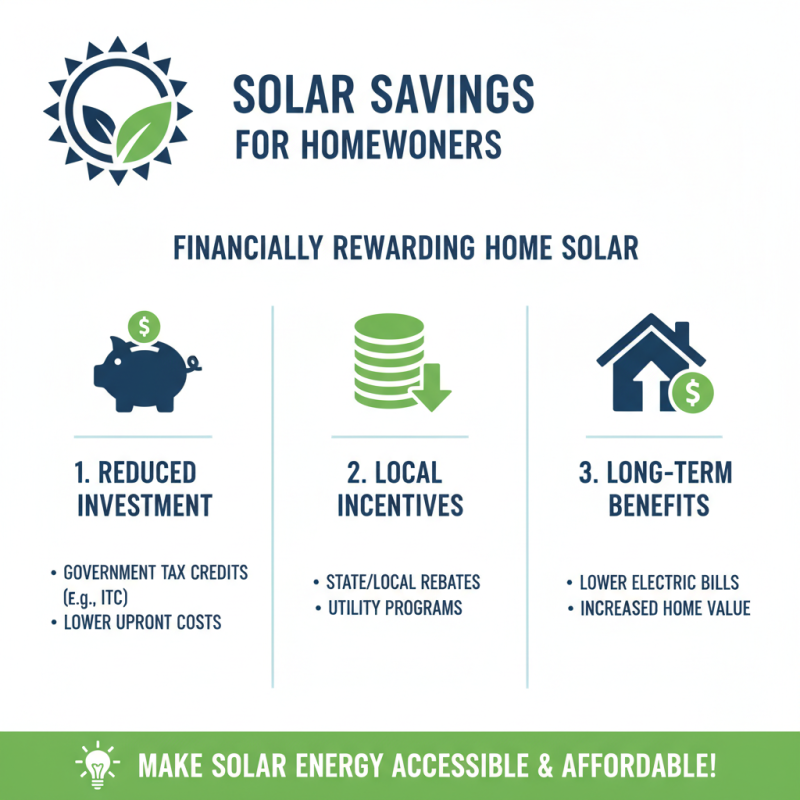
Installing solar panels can be a game-changer for homeowners. It offers significant financial benefits. By harnessing the sun’s energy, families can reduce their electricity bills. This reduction can be substantial, especially in areas with high solar exposure. Over time, the savings can offset the initial investment in solar technology.
Beyond savings, solar energy is eco-friendly. It reduces reliance on fossil fuels and lowers greenhouse gas emissions. Many people feel a sense of accomplishment contributing to a greener planet. However, it's worth noting not every home is suitable for solar panels. Trees, roof orientations, and local regulations can impact installation. Homeowners should consider these aspects carefully.
The technology itself is evolving. Many systems now come with battery storage options. This allows families to utilize stored energy during peak hours. Yet, these systems can be costly and may not suit everyone's budget. It's essential to weigh the pros and cons before committing. Solar energy can provide rewards, but it requires thoughtful planning and reflection.
Benefits of Solar Energy for Homeowners
Evaluating the Environmental Impact of Solar Energy Systems
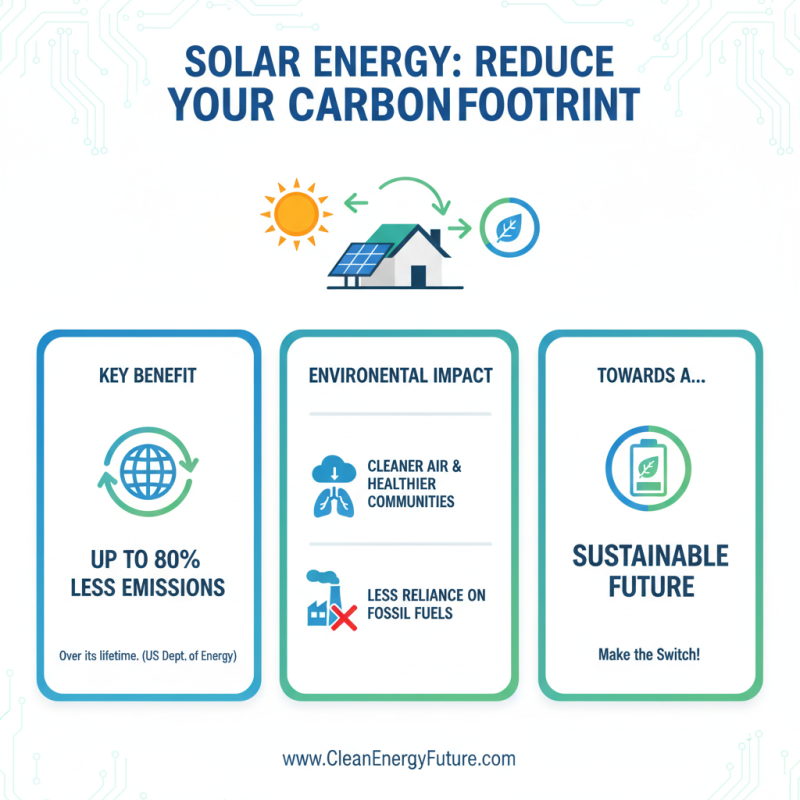
Solar energy systems can significantly reduce your carbon footprint. According to the U.S. Department of Energy, solar power lowers greenhouse gas emissions by up to 80% over its lifetime. This means cleaner air and healthier communities. Transitioning to solar reduces reliance on fossil fuels. It’s a step towards a more sustainable future.
However, the environmental impact of solar panels isn't entirely positive. The production of solar cells involves hazardous materials. Mining for these materials can lead to habitat destruction and pollution. Reports suggest that solar manufacturing facilities have high energy demands, often using non-renewable resources. This raises questions about overall sustainability.
Solar panels also require land for installation. In some regions, this can disrupt local ecosystems. The National Renewable Energy Laboratory highlights the balance needed when considering solar projects. While the shift to clean energy is vital, assessing the holistic environmental impact remains crucial. Understanding these trade-offs can lead to better decision-making for homeowners and communities alike.
Assessing the Long-Term Value of Installing Solar Panels
Installing solar panels can offer substantial long-term financial benefits. Homeowners might save up to 70% on their electricity bills. According to the U.S. Department of Energy, a residential solar system increases property value by an average of $15,000. This increase can be significant when selling your home.
Yet, the initial investment can be daunting. Many people hesitate due to high upfront costs. Despite this, solar financing options are available. The Solar Energy Industries Association (SEIA) report indicates that more homeowners are utilizing loans or leases. These alternatives can make solar more accessible.
Many perceive solar energy as a one-time investment. However, it's crucial to consider maintenance costs. Panels last about 25 years, but they require periodic inspections. Unexpected issues can arise; repairs may be uncomfortable financially. Evaluating these factors is key to understanding solar's true value.
Why Should You Consider a Solar Project for Your Home? - Assessing the Long-Term Value of Installing Solar Panels
| Dimension |
Data |
| Average Installation Cost (USD) |
$15,000 |
| Average Federal Tax Credit (%) |
26% |
| Projected Energy Savings Over 20 Years (USD) |
$30,000 |
| Average Payback Period (Years) |
5-7 |
| Increase in Property Value (%) |
4-6% |
| Environmental Impact (CO2 Reduction per year, tons) |
3-4 |
| Average Lifespan of Solar Panels (Years) |
25-30 |
| Potential Utility Bill Reduction (%) |
50-70% |
Common Misconceptions About Solar Energy and Their Clarifications
Many homeowners hesitate to invest in solar projects due to common misconceptions. One prevalent belief is that solar panels won't work in cloudy or cold climates. In reality, solar energy can still be harnessed effectively. The U.S. Department of Energy states that solar systems can produce energy at different efficiency levels, even with limited sunlight. Countries like Germany, with fewer sunny days, show the potential of solar energy.
Another myth is that solar installations are prohibitively expensive. While initial costs can be high, incentives and financing options make solar more accessible. According to the Solar Energy Industries Association, residential solar costs have decreased by over 70% since 2010. Many homeowners find their systems pay for themselves over time through reduced energy bills.
Tip: Consider local solar incentives. Many states offer tax credits that can significantly reduce installation costs. Additionally, consult with multiple contractors to find the best deal.
Some worry that solar energy is not reliable. However, advancements in battery storage technology prove otherwise. Home battery systems ensure that you can store excess energy for use during the night or cloudy days. It’s crucial to evaluate your home’s energy needs to determine the size of the system required.