2026 How to Harness Sun Energy for Sustainable Living?
As the push for sustainable living intensifies, harnessing sun energy becomes vital. According to the International Renewable Energy Agency (IRENA), solar power capacity grew by over 20% in 2020 alone. This booming sector illuminates a path toward eco-friendly lifestyles and energy independence. Mark Z. Jacobson, a renowned expert in renewable energy, noted, "Solar energy is not just the future, it is the now."
Despite these advancements, challenges persist in maximizing sun energy's potential. Many households still rely heavily on fossil fuels. The transition to solar requires education and investment. Communities must address initial costs and technological barriers. Furthermore, solar energy production varies by region. Not every location enjoys consistent sunlight.
Effective strategies must unite policymakers, engineers, and the public. Engaging local communities and educating them about solar benefits is crucial. By collaborating, we can tackle common doubts and inspire a more significant shift. Focusing on individual households, we can identify tailored solutions that harness the sun effectively. This cooperation could lead to a sustainable future bathed in sun energy.
Understanding Solar Energy: Basics and Benefits
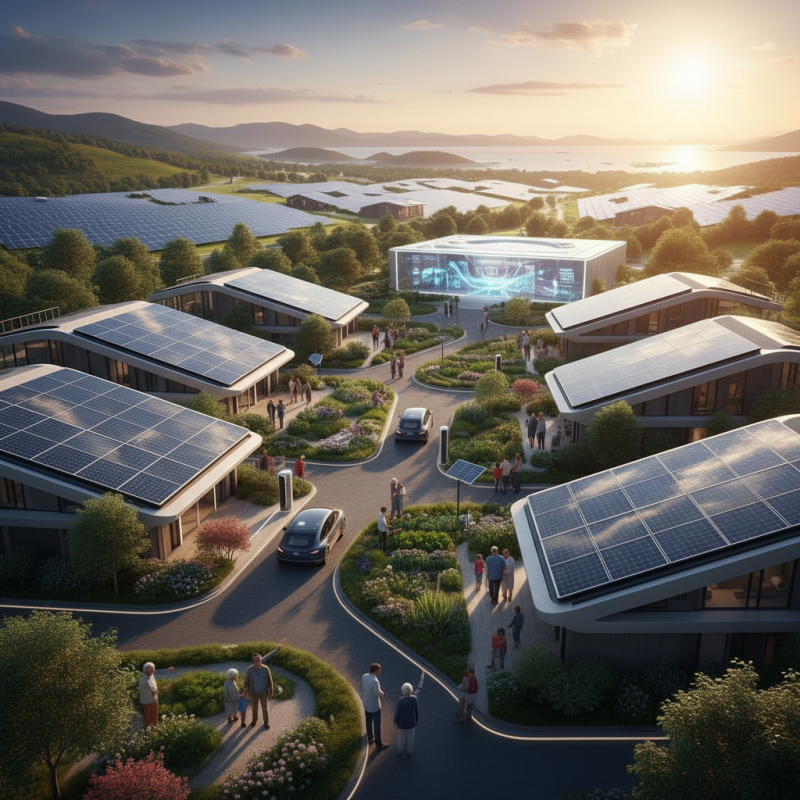
Solar energy is a remarkable resource for sustainable living. It harnesses the sun's power and converts it into electricity. Many homes are now equipped with solar panels on their roofs. This approach helps reduce carbon footprints and lowers energy bills. However, the initial installation costs can be a barrier for some families.
Understanding the basics is crucial. Solar panels consist of photovoltaic cells that capture sunlight. This sunlight is transformed into usable energy. The benefits are significant. Using solar energy reduces reliance on fossil fuels. It promotes cleaner air and a healthier environment. Yet, maintenance of solar systems can be tricky. Dust and debris might accumulate, affecting efficiency.
Solar energy also has its limitations. For example, energy production is lower on cloudy days. Energy storage systems, like batteries, can be expensive. These challenges invite careful consideration. Even so, the potential of solar energy is vast. Each step towards harnessing this resource can lead to a more sustainable future.
2026 How to Harness Sun Energy for Sustainable Living?
This chart illustrates the projected growth in solar energy installation across different sectors from 2023 to 2026, highlighting the increasing adoption of solar energy for sustainable living.
Different Types of Solar Energy Technologies for Homes
Solar energy offers various technologies for sustainable living. **Photovoltaic (PV) systems** are common in homes. They convert sunlight into electricity. These panels can be installed on rooftops or in gardens. They work best in sunny areas, but cloudy days can affect efficiency. Homeowners often need to consider battery storage. This can help during nighttime or cloudy weather.
**Solar water heating** is another valuable technology. It uses solar collectors to absorb sunlight and heat water. This can provide hot water for various home needs. However, systems need regular maintenance. Some homeowners struggle with installation costs. They may also need to check local regulations, which can vary significantly.
**Solar air heating** is less common but effective. It warms air for ventilation. This can reduce reliance on traditional heating. Yet, it's not always suitable for all climates. Each technology has its pros and cons. Homeowners must weigh their choices carefully. Understanding the details is key to maximizing benefits.
Integrating Solar Energy Systems into Daily Life
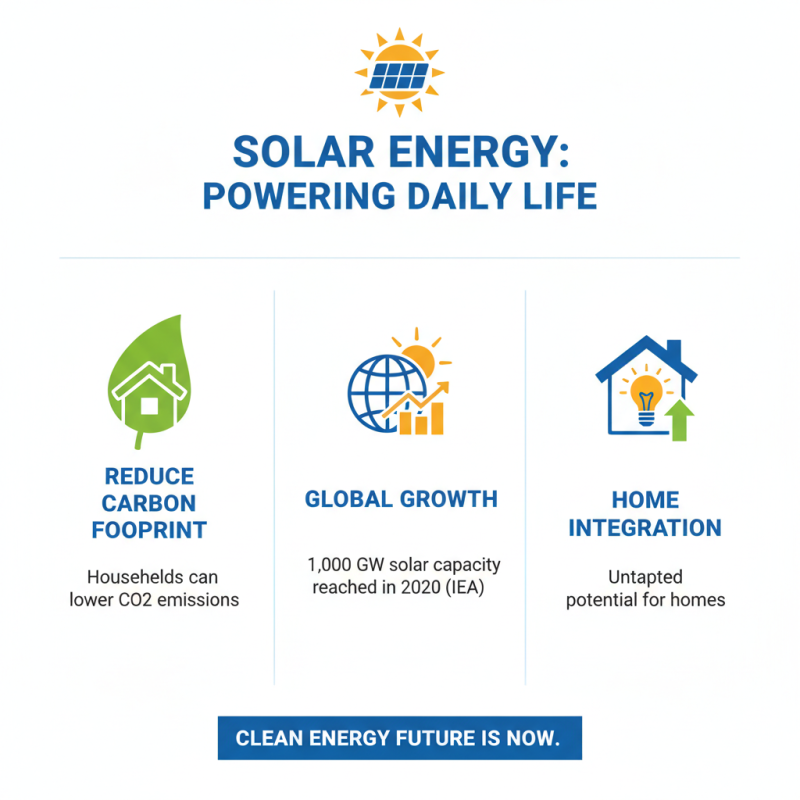
Integrating solar energy systems into daily life presents unique challenges and opportunities. Many households can significantly reduce their carbon footprint by utilizing solar power. According to a report from the International Energy Agency, solar energy capacity reached 1,000 gigawatts globally in 2020. This rapid growth showcases the potential for solar integration in homes.
Investing in solar panels can be expensive upfront. However, many homeowners find that the long-term savings on electricity bills can offset these costs. Some studies indicate that solar energy can reduce household energy bills by 50% or more. Yet, the initial installation remains a barrier for many. Various financing options exist, but awareness is still low.
Implementing solar energy systems is not a one-size-fits-all solution. Each home has different energy needs, roof orientations, and local regulations. Therefore, understanding specific requirements is essential. Moreover, integrating solar into daily life often requires behavioral changes. For instance, families need to shift energy-intensive activities to daylight hours. Reflection on these complexities can lead to better adoption rates and smarter energy use.
Best Practices for Maximizing Solar Efficiency
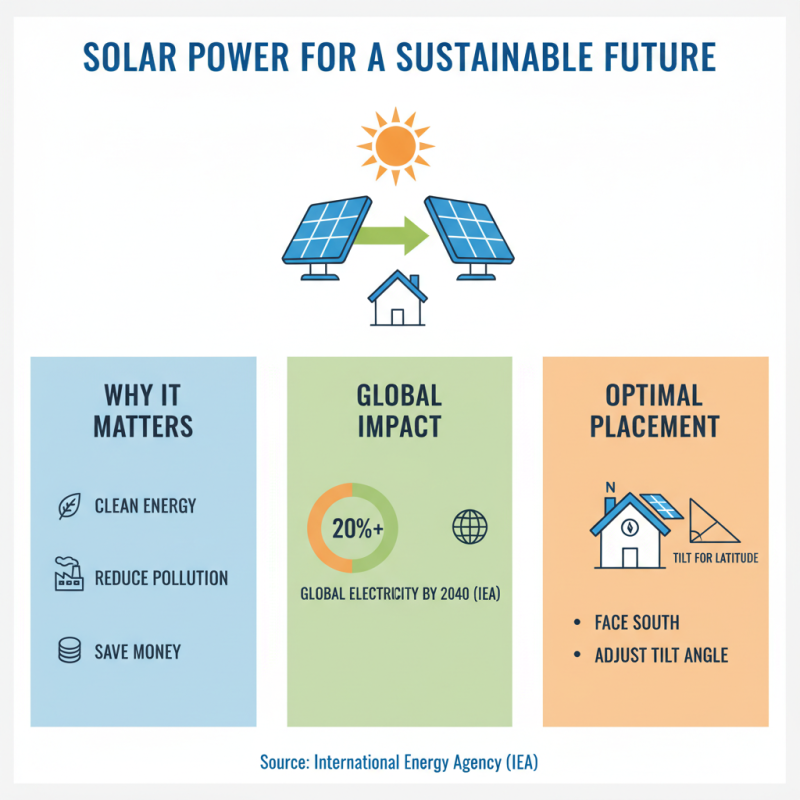
Harnessing solar energy is essential for sustainable living. Solar panels convert sunlight into electricity, reducing reliance on fossil fuels. According to the International Energy Agency, solar power could generate over 20% of global electricity by 2040. To maximize efficiency, homeowners should consider panel placement carefully. Panels should face south and be tilted at an angle optimized for their latitude.
Regular maintenance is crucial. Dust, leaves, and snow can significantly reduce efficiency. Cleaning panels can boost energy output by up to 20%. Moreover, using energy storage systems allows for energy use during peak hours. Battery technologies are improving, yet they remain expensive and can be challenging to integrate effectively.
Investing in energy-efficient appliances also aids in maximizing solar benefits. These appliances use less energy and help reduce overall consumption. However, some consumers overlook the initial costs. Balancing upfront investment and long-term savings is vital. It’s essential to reflect on individual energy needs and consider effective energy management strategies for a sustainable future.
Common Challenges and Solutions in Solar Energy Adoption
Adopting solar energy presents various challenges. A recent report by the International Energy Agency (IEA) highlights that financing remains a significant barrier. Around 40% of potential solar projects fail due to lack of funding. Many homeowners and businesses hesitate to invest upfront. This is often due to high initial costs. Additionally, there is uncertainty regarding long-term returns.
Another challenge is the integration of solar energy into existing grids. There's an increasing need for improved infrastructure. A study revealed that around 30% of grid operators feel unprepared for significant solar integration. This raises questions about energy reliability, especially in peak demand periods. Moreover, some regions report that local policies hinder solar installation. Complex regulations can stall projects, leaving potential benefits untapped.
Finally, public perception plays a role. Many consumers remain skeptical about solar technology. Some believe that its effectiveness is overstated and may not fit their energy needs. Misconceptions about solar durability and maintenance persist. Education and outreach are crucial. Addressing these common challenges can enhance solar adoption, leading to more sustainable living.
2026 How to Harness Sun Energy for Sustainable Living? - Common Challenges and Solutions in Solar Energy Adoption
| Challenge |
Description |
Solution |
Impact on Sustainability |
| High Initial Costs |
The upfront investment for solar panels can be prohibitive for many households. |
Implementing incentive programs and financing options to reduce initial costs. |
Encourages widespread adoption, improving access to renewable energy. |
| Intermittency |
Solar energy production varies based on weather conditions and time of day. |
Developing battery storage solutions to store excess energy for use during low production. |
Ensures a reliable energy supply, promoting energy independence. |
| Space Requirements |
Solar panels require significant space for installation, which can be a limitation for some. |
Utilizing roof space and vertical installations to maximize energy capture. |
Optimizes land use and reduces urban energy footprint. |
| Technological Barriers |
Staying updated with rapidly changing technologies can be challenging for consumers. |
Providing educational resources and support to help consumers understand options. |
Promotes informed decisions, enhancing overall effectiveness of solar infrastructure. |
| Policy and Regulation |
Complex policies can hinder solar adoption. |
Advocating for simplified regulations and supportive policies. |
Facilitates smoother implementation, leading to a rapid transition to renewable energy. |