How to Install Solar PV Systems for Your Home Efficiently
As the world shifts towards renewable energy, solar PV systems are in the spotlight. Recent reports indicate that global solar energy capacity has reached over 800 gigawatts, marking a growth of more than 20% from the previous year. This surge highlights the increasing reliance on solar PV for sustainable energy solutions. In residential settings, solar PV not only decreases electricity bills but also increases property value.
Installing solar PV efficiently is essential for maximizing these benefits. Homeowners often face challenges during installation, leading to inefficient systems. Research shows that improper installation can reduce energy output by up to 30%. Therefore, following best practices is crucial. Also, few homeowners fully understand the maintenance needs once a solar PV system is installed. This lack of knowledge can lead to untapped potential in energy savings.
Choosing the right components and installation techniques can significantly enhance system performance. However, the diversity of solar products makes the selection process overwhelming. Homeowners must balance cost and quality effectively. Continuous education on solar PV technology is vital in making informed decisions. The path to efficient solar PV installation requires careful consideration and an understanding of industry trends.
Understanding Solar PV Systems: Components and Functionality
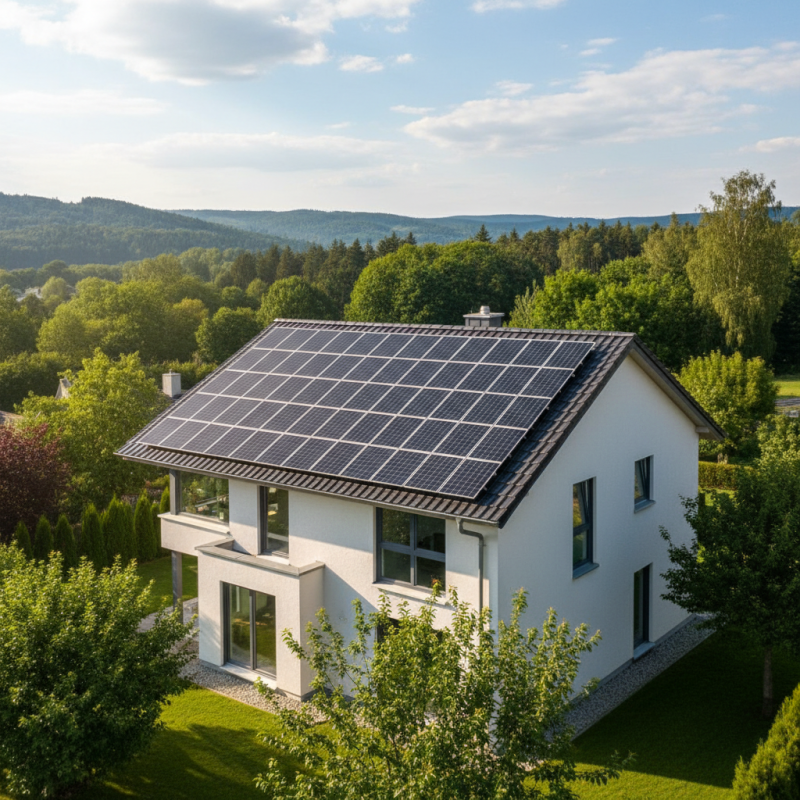
Understanding solar PV systems is essential for homeowners looking to harness clean energy. A solar photovoltaic (PV) system primarily consists of solar panels, inverters, and mounting systems. Solar panels capture sunlight and convert it into electricity. Inverters then convert this direct current (DC) into alternating current (AC), which is used in homes. Mounting systems secure the panels on rooftops or on the ground.
Research indicates that residential solar installations have increased by 167% from 2015 to 2021. This growth shows an increasing interest in solar for reducing energy bills and carbon footprints. However, many homeowners overlook the importance of proper installation and maintenance. Improperly installed systems can lead to inefficient energy production. Regular checks and cleaning of panels can enhance efficiency by 20% or more.
Tips: Choose high-quality components. Cheap materials often lead to higher long-term costs. Consider hiring certified professionals. They can avoid costly mistakes. Finally, stay updated on local regulations. Some areas have specific requirements that can impact installation choices. Following these guidelines will ensure a smoother process and better longevity for your solar PV system.
Solar PV System Installation - Efficiency Analysis
Assessing Your Home's Suitability for Solar Panel Installation
When considering solar panel installation, assessing your home's suitability is crucial.
Start by evaluating your rooftop's angle and orientation. Ideally, south-facing roofs receive the most sunlight.
A roof angle of 30-45 degrees is often optimal for solar energy capture.
Check for shading from trees, buildings, or chimneys. Even partial shading can reduce system efficiency significantly,
by 20%-50%, according to the National Renewable Energy Laboratory. If your roof has multiple levels or sections,
address each one separately. Each could affect overall performance.
Tips: Use a solar calculator to estimate potential energy savings.
This tool factors in your location and roof conditions. It can provide a clearer picture of your investment.
Also, consider conducting a professional solar assessment. They can identify issues you might overlook.
Don’t forget to examine your energy consumption.
Soil and climate will also factor into your decision. Higher energy needs might require a larger system.
Think about future changes too, like adding more appliances. Your current needs may evolve, impacting solar performance.
Step-by-Step Guide to Installing Solar PV Systems
Installing solar PV systems can seem daunting. But with a clear step-by-step guide, you can simplify the process. Start by assessing your home’s energy needs. Determine how much electricity you consume monthly. This helps you gauge the size of the solar system required.
Next, choose a suitable location for the solar panels. Look for areas with direct sunlight and minimal shading. Often, rooftops are ideal. Measure the space carefully. Avoid areas with obstructions such as chimneys or trees. Remember, panel placement impacts energy efficiency.
When moving to installation, you should gather necessary tools and materials. Secure any permits you may need. As you install, carefully follow instructions. It’s easy to misplace wiring, leading to inefficiencies. Many homeowners realize, later on, they overlooked key installation steps. Such mistakes can hinder performance. Always double-check your work. If in doubt, consider hiring a professional for help.
Connecting Solar PV Systems to the Grid: Safety and Regulations
Connecting solar PV systems to the grid is crucial for efficiency. Safety regulations must be prioritized during installation. According to the National Renewable Energy Laboratory, nearly 90% of solar installations connect to the grid. This allows homeowners to utilize excess power not consumed on-site.
Each region has specific guidelines. Local utilities may have their own requirements for interconnection. Homeowners should consult their local energy provider. A common rule is a disconnect switch. It allows easy shutdown during maintenance. Compliance with National Electrical Code (NEC) regulations is also necessary for safety.
Installers face challenges in navigating these regulations. Some may overlook critical permits, leading to costly delays. Understanding local policies helps avoid issues. Finally, documenting everything is essential for future inspections. Keeping clear records can save time and money later on.
Maintenance Tips for Optimal Performance of Solar PV Systems
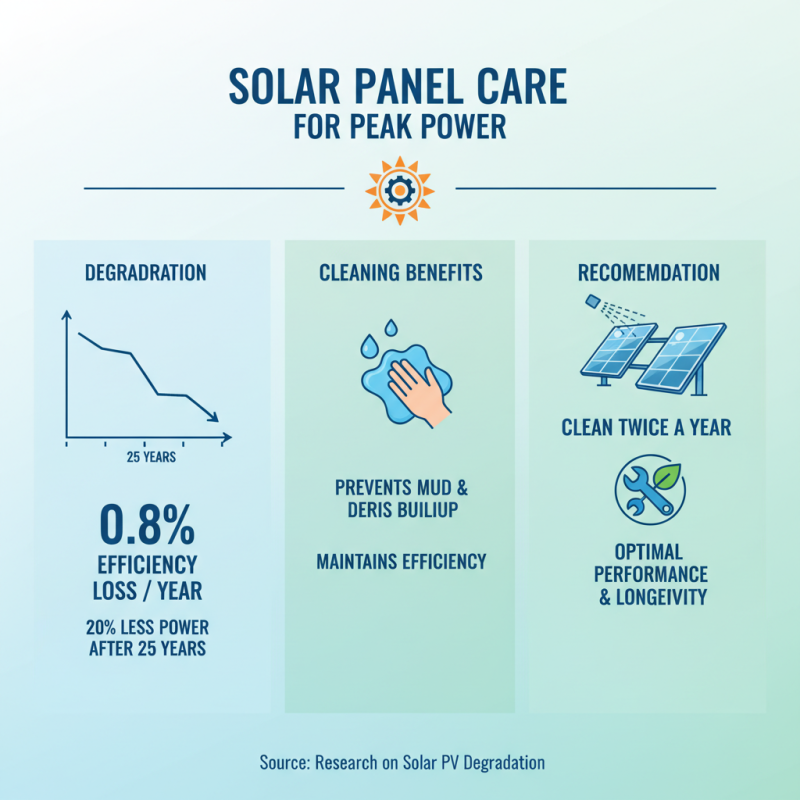
Proper maintenance of solar PV systems is crucial for optimal performance and longevity. Research shows that an average solar panel system can degrade at a rate of 0.8% per year. This means that after 25 years, the system could produce only about 80% of its initial efficiency. Regular cleaning is essential, especially in dusty regions or areas with heavy rainfall. Mud and debris can significantly reduce solar panel efficiency. Cleaning panels twice a year can help maintain their performance.
Monitoring your system’s performance is also key. Most systems come with monitoring devices that track energy production. If energy output drops significantly, further investigation is necessary. Broken parts or malfunctioning inverters can cause efficiency loss. A study indicates that timely repairs can increase energy yield by up to 10%.
Lastly, consider the inverter's lifespan. Inverters typically last around five to ten years. Replacing the inverter when needed ensures the system runs smoothly. Many homeowners overlook this aspect, which can lead to decreased performance. Regular maintenance checks can help identify issues early. Neglecting these small tasks may lead to bigger problems down the line.