2026 How to Optimize Solar Work for Maximum Efficiency?
In the rapidly evolving field of solar work, efficiency is paramount. Experts continually seek methods to enhance productivity and energy output. Renowned solar engineer Dr. Emily Dawson once stated, “Optimizing solar work is not just about technology; it’s about integrating smart practices.” This insight underscores the importance of combining innovation with strategic actions.
Many companies struggle to find the right balance in their solar projects. They often overlook critical factors like location and installation methods. Failing to conduct thorough assessments can lead to inefficiencies. For example, improper angle adjustments can diminish energy capture. Addressing these details can significantly improve performance.
The future of solar work lies not only in advanced technology but also in diligent planning. Each project presents unique challenges and opportunities. As industry experts remind us, continuous reflection and adaptation are vital. The path to optimal efficiency requires a commitment to learning and improvement, ensuring every sunrise brings greater energy possibilities.
Understanding Solar Energy Basics for Efficient Optimization
Understanding the basics of solar energy is crucial for optimizing its use.
Solar power relies on photovoltaic cells to convert sunlight into electricity. These cells collect sunlight during the day, but efficiency can vary. Factors include angle, temperature, and shading.
Optimal placement of solar panels significantly impacts energy output. A south-facing roof with a tilt of about 30 degrees often yields the best results. However, not all roofs are ideal. For those with less exposure, exploring alternative locations might be necessary. Uneven surfaces can cause shadows, so clear the area around panels regularly.
It's vital to monitor energy production closely. Analyze data to discern patterns in efficiency. Sometimes, outdated technology can hinder performance. Consider periodic upgrades or maintenance. Reflecting on these elements helps identify areas for improvement. Embracing solar energy is a journey, not just a switch to flip.
Selecting the Right Solar Technology for Maximum Output
Selecting the right solar technology is crucial for maximizing output. Studies show that solar photovoltaic (PV) systems can achieve efficiencies between 15% and 22%. This variation depends significantly on the type of technology used. Monocrystalline panels generally offer higher efficiency but often come with increased costs.
It is also important to consider the environmental conditions. For example, thin-film solar panels perform better in high temperatures and low-light environments. According to the National Renewable Energy Laboratory, understanding your location's solar irradiance can boost energy capture by up to 30%. Many overlook this when installing systems in shaded or less optimal areas.
Regular maintenance is another factor that can affect solar efficiency. Dust and debris accumulation can reduce output by up to 25%. An ideal system needs careful positioning and periodic cleaning to ensure maximum performance. Users often ignore these aspects, focusing solely on initial costs rather than long-term productivity. Balancing cost, technology, and maintenance can result in a more optimized solar work.
2026 Solar Technology Efficiency Comparison
Implementing Optimal Installation Techniques for Solar Panels
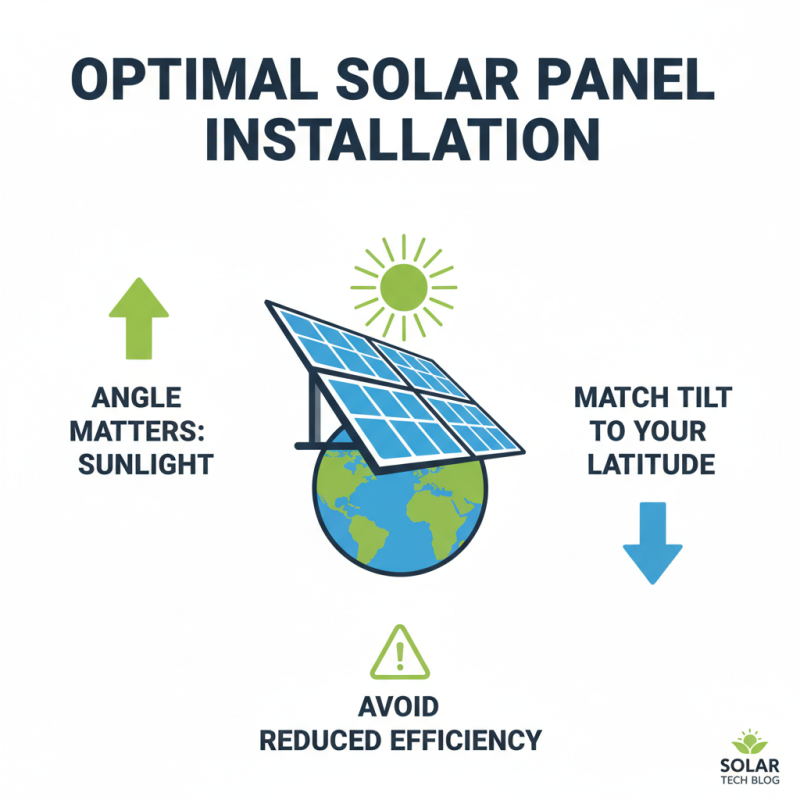
When installing solar panels, the angle matters a lot. Each location has a unique sun path. A panel tilted too flat might miss valuable sunlight. Aim for the optimal tilt based on your latitude. Many installers overlook this, leading to reduced efficiency.
Another key factor is the layout of solar panels. Space them correctly to avoid shading. Trees or buildings nearby can cast shadows. A small error can decrease output significantly. Visualize each panel's position carefully before installation. Aim for maximum sun exposure during peak hours.
Lastly, keep in mind that optimal installation is also about maintenance. Dust and debris can accumulate, reducing efficacy. Scheduling regular cleanings is vital to sustain performance. Yet, many forget to include this in their routine. Reflecting on these details can transform your solar investment.
Regular Maintenance Practices to Enhance Solar System Efficiency
Regular maintenance is key to enhancing solar system efficiency. Industry studies show that a well-maintained solar panel system can operate at up to 90% efficiency, while neglect can drop this to as low as 60%. Dust, debris, and grime can accumulate on panels. This reduces sunlight absorption. Regular cleaning can increase energy output significantly.
Tip: Schedule cleaning every six months. Use soft brushes and mild soap. Avoid harsh chemicals.
In addition to cleaning, monitoring system performance is crucial. Regularly check the inverter and overall system output. Systems can experience performance degradation over time. The National Renewable Energy Laboratory indicates that performance issues can occur due to shading or component failures. Document any declines in energy output promptly.
Tip: Use monitoring apps for real-time updates. Alerts can help you respond quickly.
Regular maintenance allows you to catch small issues before they become significant problems. Ignoring these can lead to costly repairs or decreased efficiency. Reflecting on maintenance practices might reveal areas for improvement. Stay proactive and consult professionals when needed.
Utilizing Energy Storage Solutions to Maximize Solar Benefits
Energy storage solutions play a crucial role in optimizing solar energy systems. By storing excess solar power, you can extend the benefits of solar energy beyond daylight hours. This guarantees that energy is available when demand peaks, not just when the sun is shining.
Batteries and other storage technologies can greatly enhance the overall efficiency of your solar setup.
Tips: Evaluate your energy usage patterns. Identify peak usage times during the day. This will help you determine how much storage capacity you need. Consider the size of your solar panels and the typical energy produced.
Sometimes, oversizing panels leads to unused energy, especially in peak production periods.
Additionally, regularly monitor battery performance. Batteries degrade over time. It can be frustrating to realize that your energy storage isn't as effective as it once was. Look for signs of underperformance.
Analyze charge and discharge cycles to ensure optimal operation. Develop a maintenance schedule to keep everything in check.
Remember, a proactive approach can prevent unexpected energy shortfalls.