What is Solar PV and How Does it Work for Businesses?
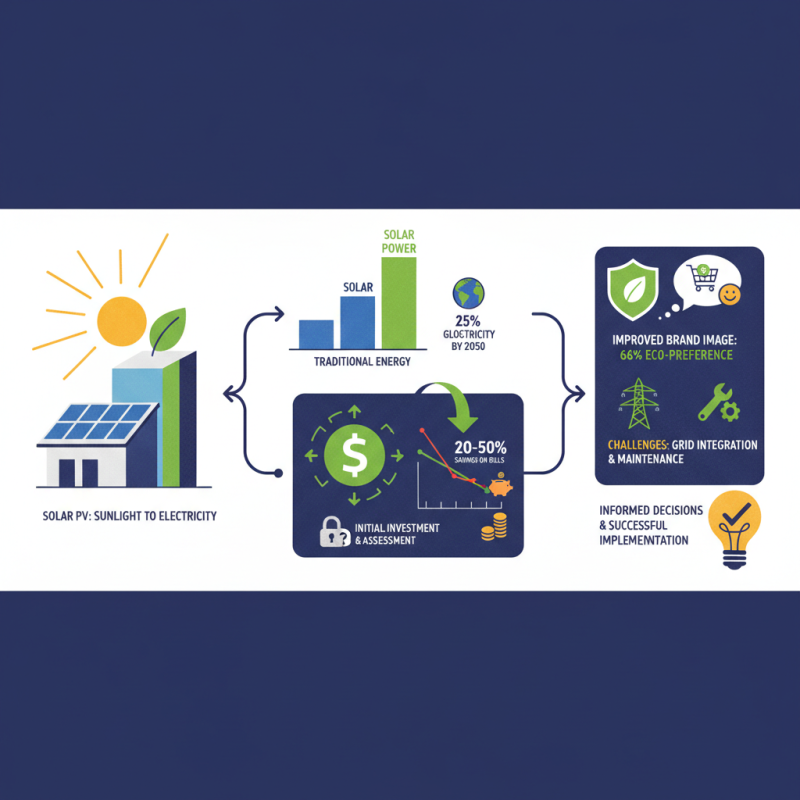
Solar PV, or photovoltaic technology, plays a crucial role in the shift towards renewable energy. It enables businesses to convert sunlight into electricity. According to the International Energy Agency, solar power could contribute up to 25% of global electricity by 2050. This statistic highlights the growing importance of solar PV in the energy mix.
Adopting solar PV can lower energy costs significantly. A report by the National Renewable Energy Laboratory indicates that businesses can save between 20% to 50% on energy bills with solar systems. However, the initial investment remains a barrier for some. Companies must assess their energy needs and system costs carefully.
Investing in solar PV not only enhances sustainability but also improves brand image. A Nielsen report shows that 66% of consumers prefer eco-friendly brands. Nonetheless, businesses must address potential challenges, such as grid integration and maintenance. Understanding solar PV thoroughly can lead to informed decisions and successful implementation.
What is Solar PV? An Overview for Businesses
Solar photovoltaic (PV) technology harnesses sunlight to generate electricity. This process involves converting solar energy into usable power. Businesses are increasingly turning to solar PV for sustainability and cost savings.
The installation of solar PV systems can significantly reduce electricity bills. Businesses can control their energy expenses better. However, initial investment costs can be high. It's essential for businesses to consider their long-term energy needs when evaluating solar options.
**Tip:** Conduct an energy audit before installation. Understanding energy usage can guide better decisions.
Implementing solar PV also requires careful consideration of location and orientation. Buildings must receive ample sunlight to maximize energy production. Additionally, businesses should monitor performance after installation regularly. This can help identify issues and optimize energy output.
**Tip:** Regular maintenance checks ensure the system operates efficiently. Don’t underestimate the importance of upkeep.
Understanding the Components of Solar PV Systems
Solar photovoltaic (PV) systems are composed of several key components that work together to convert sunlight into electricity. At the core, solar panels, made of photovoltaic cells, absorb sunlight. The most common material for these cells is silicon. According to the International Energy Agency, global solar PV capacity reached over 940 GW in 2020. This number continues to rise, indicating a strong trend toward renewable energy.
In addition to solar panels, inverters play a critical role. They convert direct current (DC) generated by solar panels into alternating current (AC) used in most businesses. The effectiveness of an inverter can impact the overall efficiency of the system. Data from the National Renewable Energy Laboratory shows that poor inverter performance can reduce solar energy production by up to 20%.
Another essential component is the mounting system. Roof-mounted, ground-mounted, or tracking systems can be used to maximize exposure to sunlight. Each option presents unique benefits and challenges. A poorly designed system may result in shading issues, affecting energy output. As businesses adopt solar solutions, understanding these components ensures smarter investment and optimal performance. Continuous evaluation of system design will help businesses refine their energy strategy.
Solar PV System Components and Their Efficiency
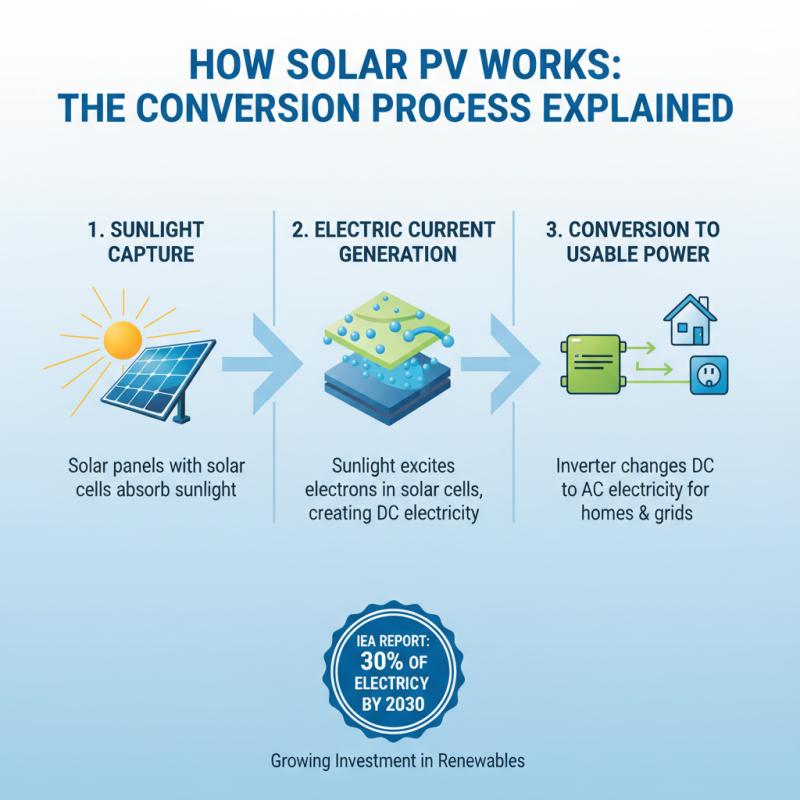
How Solar PV Works: The Conversion Process Explained
Solar photovoltaic (PV) technology captures sunlight and converts it into electricity. This process begins with solar panels, which contain many solar cells. When sunlight hits these cells, it excites the electrons, generating an electric current. Reports from the International Energy Agency indicate that solar energy could provide up to 30% of global electricity by 2030. This transition reflects a growing investment in renewables.
The conversion process is efficient but not perfect. Factors such as panel orientation and weather significantly influence energy production. On average, solar panels convert about 15-20% of sunlight into usable energy. While advancements continue to enhance efficiency, the need for energy storage solutions is critical for overcoming intermittent production. Recent studies show that advances in battery technology can further improve solar PV reliability and accessibility, yet concerns over material sourcing remain.
Businesses that adopt solar PV systems can reduce operational costs and carbon footprints. According to the U.S. Department of Energy, companies using solar can save between 20-50% on energy bills. Implementing solar solutions requires careful consideration of local regulations and initial investment costs. Many still hesitate due to these upfront expenses, despite long-term savings. While the benefits are clear, businesses must also navigate potential drawbacks, such as space limitations and energy market fluctuations.
Benefits of Solar PV for Business Operations and Sustainability
Solar photovoltaic (PV) systems have become increasingly popular among businesses. They capture sunlight and convert it into electricity. This process is vital for enterprises seeking sustainable energy solutions. The shift to solar power can lead to significant cost savings. Many companies have reported reduced energy bills after making the switch.
In addition to financial benefits, solar PV enhances a company's green credentials. It helps businesses lower their carbon footprints. This is especially important as consumers are becoming more environmentally conscious. Companies that adopt solar energy can attract eco-minded customers. However, transitioning to solar isn’t without challenges. Initial installation costs can be high, and there may be regulatory hurdles.
Maintenance of solar panels is essential but can be overlooked. Neglecting this can impact efficiency. Staff training on energy management can mitigate these issues. Ultimately, the integration of solar PV promotes sustainability and operational resilience for businesses.
Factors to Consider When Implementing Solar PV Solutions
Implementing solar PV solutions in a business requires careful consideration of multiple factors. Analyzing the site’s solar potential is essential. This includes assessing roof orientation, shading from trees, or nearby structures. Companies may overlook local weather patterns, which can affect energy production. It’s wise to engage an expert for accurate assessments.
Another critical factor is financial investment. Businesses must evaluate both upfront costs and long-term savings. Often, the initial expenses can be daunting. However, many organizations find that incentives and tax credits significantly reduce financial burdens. Recognizing the total cost of ownership over time helps in decision-making.
**Tips:** Start by conducting a detailed energy audit. This reveals current energy consumption patterns. It will also assist in sizing the solar system right. Involve the team for insights—they may have valuable input. Lastly, consider working with reputable solar consultants. They can offer guidance tailored to specific business needs.
What is Solar PV and How Does it Work for Businesses?
| Factor |
Description |
Impact on Business |
Estimated Savings (%) |
| Initial Cost |
The upfront investment required for solar panel installation. |
Higher initial cost may deter some businesses from investing. |
- |
| Maintenance |
Ongoing costs to maintain solar panel efficiency and performance. |
Regular maintenance ensures longevity and optimal efficiency. |
5-10% |
| Energy Independence |
Reliance on self-generated solar energy rather than the grid. |
Reduced exposure to energy price fluctuations. |
15-25% |
| Tax Incentives |
Government incentives for adopting renewable energy sources. |
Tax credits can significantly offset initial investment costs. |
20-30% |
| Environmental Impact |
Reduction in carbon footprint and greenhouse gas emissions. |
Improved corporate image and compliance with environmental regulations. |
- |