How to Start Solar PV Projects Successfully?
Starting solar PV projects can be an exciting venture. These projects harness renewable energy and promote sustainability. Many stakeholders dream of transitioning to solar energy. However, the journey is not without its challenges.
Planning is crucial for successful solar PV projects. Identifying the right location, understanding financial costs, and assessing local regulations impacts the outcome. Each step requires careful consideration. Yet, many newcomers overlook these vital aspects. They dive in headfirst, often facing unexpected hurdles later.
Moreover, collaboration can make or break these projects. Engaging with local communities and experts fosters success. Some may shy away from seeking help, believing they can handle everything alone. This mindset can lead to missed opportunities and mistakes. Embracing teamwork often yields better results. Through reflection, project leaders can enhance their strategies and pave the way for effective solar PV projects.
Understanding the Basics of Solar PV Technology
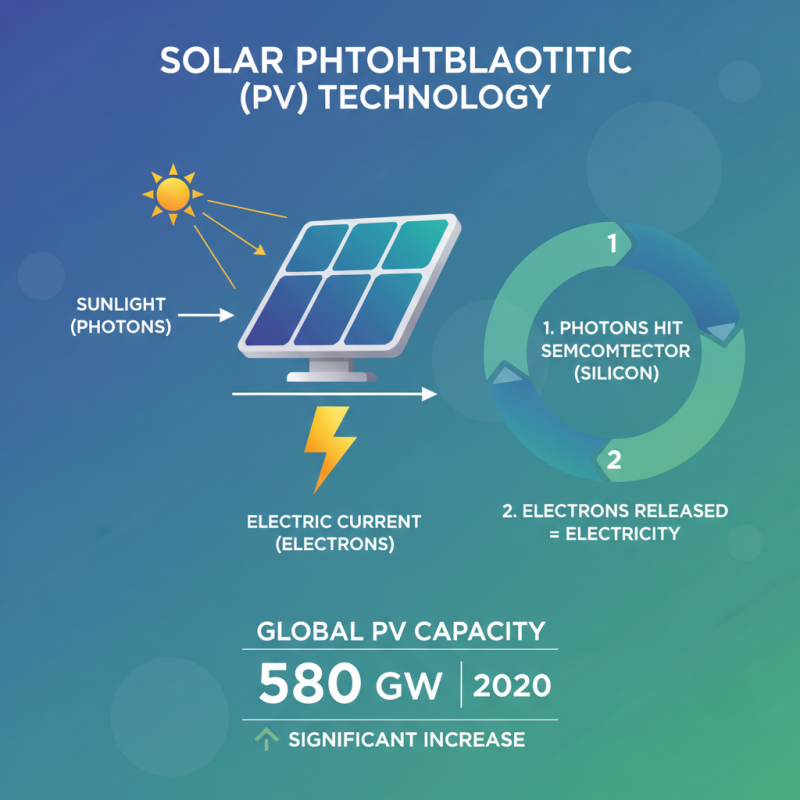
Solar photovoltaic (PV) technology transforms sunlight into electricity. This process relies on semiconductor materials, primarily silicon, to capture photons from sunlight. When these photons hit the semiconductor, they free electrons, creating electric current. Reports indicate the global solar PV capacity reached 580 GW in 2020, a significant increase from previous years.
Installation of solar PV systems involves several steps. Site assessment is crucial. Each installation location has unique factors like shading, tilt, and orientation. These elements directly impact energy generation. A 2022 study highlighted that systems in optimal conditions can produce 15-30% more energy than poorly planned installations. Tools like simulation software can help visualize potential energy outputs.
Financial considerations also matter. Initial costs can be high, often discouraging projects. However, solar energy is becoming cheaper. The levelized cost of energy (LCOE) for solar dropped 89% from 2010 to 2020, as noted by the International Renewable Energy Agency. This makes solar PV an attractive investment. Yet, understanding local regulations and potential permitting hurdles remains essential for success.
Identifying the Right Site for Solar PV Projects
Selecting the right site for solar PV projects is pivotal. It goes beyond just finding a sunny location. You need to consider various factors. This includes proximity to the electrical grid, land topography, and environmental regulations. An area that is too rugged or far from existing infrastructure can lead to higher costs and potential delays.
Soil quality and land use are critical aspects. Sites with agricultural land may face stricter regulations. This can complicate zoning approvals. Also, assess any vegetation or wildlife on potential sites. Clearing land can be both costly and detrimental to local ecosystems.
Seasonal weather patterns deserve attention too. Some sites may receive ample sunshine in summer but fall short in winter. Conducting a thorough solar resource assessment is essential. Ignoring these factors can lead to unexpected challenges. Engaging with local stakeholders early on can provide insights about site history and community concerns. Effective collaboration may unveil issues that you hadn't considered, ensuring a smoother project development process.
Securing Financing and Budgeting for Solar PV Initiatives
Securing financing for solar PV projects can be challenging. It often requires careful planning and a clear understanding of costs. Potential investors want to see a detailed budget. This includes installation costs, maintenance, and operational expenses. Failing to provide this may lead to lost opportunities.
Budgeting is equally crucial. Accurate estimates prevent overspending. Examine each component, from solar panels to regulatory fees. It’s easy to overlook small costs that add up. Create a buffer for unexpected expenses. Unexpected issues can arise during installation. A well-structured budget helps to manage these risks effectively.
Engaging with financial institutions early in the process is essential. They can offer advice on navigating funding options. Be prepared to present a compelling case for investment. Highlight the long-term benefits of solar energy. However, be ready to reflect on potential project pitfalls. Not every initiative goes as planned. Learning from setbacks can enhance future efforts.
Navigating Permits and Regulatory Requirements for Installation
Navigating permits and regulatory requirements for solar PV installations can be daunting. Each region has unique rules that vary widely. According to the Solar Energy Industries Association, delays in permit approvals can extend projects by 3-6 months. This can significantly impact installation costs and timelines.
Understanding local regulations is crucial. Some areas have streamlined processes for solar installations, while others may require extensive documentation. Researching the permit requirements early can help avoid surprises. Consulting with local officials can also provide insights into potential challenges. Communication is key; inspectors may have differing interpretations of codes.
Additionally, consider the environmental impact assessments often required. These evaluations can reveal unforeseen hurdles. For instance, if a project's site is designated as environmentally sensitive, the process may be more complex. Preparing for these issues upfront can help ensure a smoother experience. Learning from past project experiences can refine approaches to navigating regulatory landscapes.
Solar PV Project Permit Approval Times by State (in Days)
This chart displays the average time in days required to obtain solar PV project permits across different states. Understanding these timelines can help project managers better navigate the regulatory landscape and plan their installations accordingly.
Implementing and Managing Solar PV Project Execution
Successfully implementing and managing solar PV projects involves careful planning and execution. According to a report by the International Renewable Energy Agency (IRENA), global solar capacity reached over 800 gigawatts in 2020. This rapid growth highlights the urgent need for effective project management in the sector. Teams must prioritize clear goals, realistic timelines, and budget adherence to avoid common pitfalls.
Communication is key throughout the project lifecycle. Regular check-ins and updates among team members can prevent misunderstandings and delays. Surprisingly, a significant percentage of projects fall behind schedule due to inadequate coordination. Research suggests that 30% of solar projects experience delays. This can often be traced back to mismanaged expectations and insufficient resource allocation.
Moreover, stakeholders should consider the environmental impact of each project. A thorough environmental assessment is important, but stakeholders sometimes overlook this step. Recent studies indicate that only 40% of solar projects include a comprehensive sustainability plan. Ignoring these aspects can lead to unexpected regulatory challenges and financial losses. Managing a solar PV project is complex, but with a focused approach, many obstacles can be mitigated.