Top 10 Benefits of Project Solar for Homeowners in 2026?
As we look towards 2026, the concept of "project solar" is gaining momentum among homeowners. Renowned expert Dr. Emily Clark, known for her insights on renewable energy, states, "Project solar is not just an investment in energy; it's an investment in our future." Homeowners are increasingly aware of the advantages of solar energy. These benefits extend beyond savings on electric bills.
Climate change is a pressing concern. Homeowners want to do their part. Going solar reduces carbon footprints. Solar panels can often enhance property value. Many homeowners report feeling more independent from traditional energy sources. This transition can, however, be daunting. There are still some misconceptions about costs and maintenance. Investing in project solar may require upfront financial commitment, yet the long-term savings may outweigh these initial hurdles.
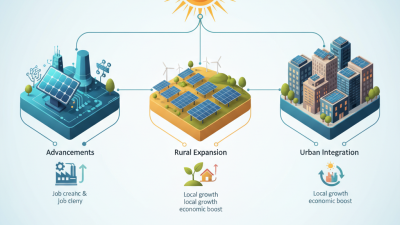
It's compelling to consider the future impact of solar energy on communities. Adopting project solar can lead to job creation and economic growth. However, not everyone is aware of available incentives. Understanding these can encourage more participants in the solar movement. As we explore the top ten benefits of project solar, it’s crucial to reflect on these challenges and opportunities for homeowners in 2026.
Overview of Project Solar and Its Rising Popularity in 2026
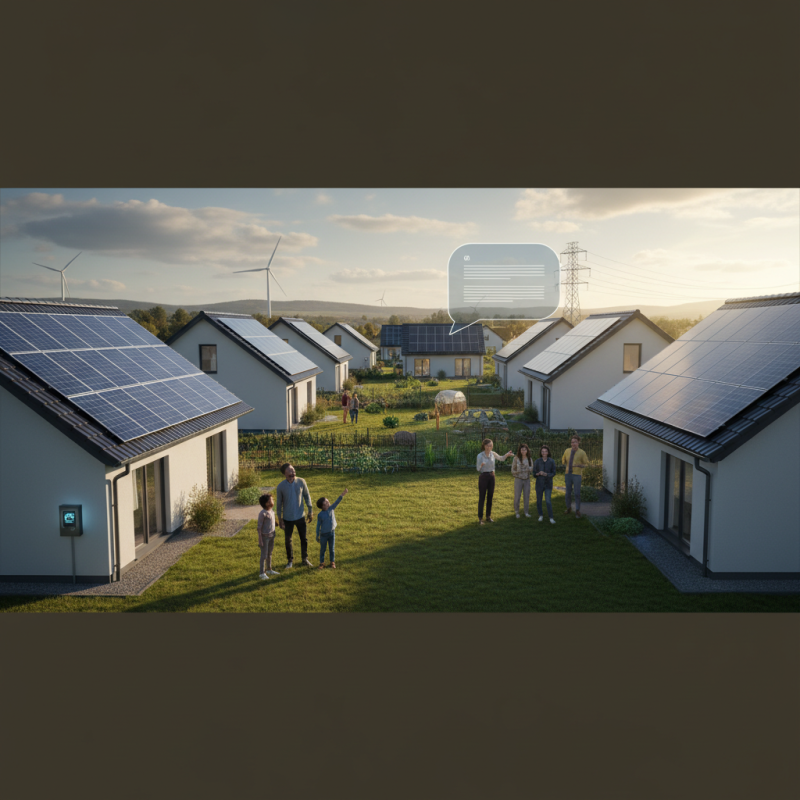
The Project Solar initiative is gaining traction among homeowners in 2026. People are looking for sustainable energy solutions. The shift towards solar energy is becoming more pronounced. Many families are seeking ways to reduce their carbon footprint. Solar panels are appealing due to their environmental benefits.
In some areas, homeowners report significant savings on their energy bills. The initial cost of installation can be a concern, though. However, financing options are becoming more flexible. Some homeowners find that local incentives help reduce overall expenses. The appeal continues to grow as technology improves and costs decrease.
People are also increasingly aware of energy independence. Relying less on traditional energy sources can be empowering. Yet, not all neighborhoods have the same access to solar resources. Some face issues like shading from trees or nearby buildings. Thus, it's crucial to assess each home individually before jumping in. This exploration is essential for making informed decisions about solar energy.
Top 10 Benefits of Project Solar for Homeowners in 2026
| Benefit |
Description |
Estimated Savings ($) |
| Cost Savings |
Reduction in monthly electricity bills through solar energy usage. |
$1,200 |
| Increased Home Value |
Homes with solar installations tend to sell for more than those without. |
$15,000 |
| Environmental Impact |
Reduction of carbon footprint by using renewable energy sources. |
N/A |
| Tax Incentives |
Eligibility for federal and state tax credits for solar installation. |
Varies |
| Energy Independence |
Reduced reliance on grid energy and fossil fuels. |
N/A |
| Low Maintenance Costs |
Solar panels require minimal maintenance, often just cleaning. |
$100 |
| Durability |
Solar panels are built to withstand different weather conditions. |
N/A |
| Job Creation |
Investment in solar creates jobs in installation, manufacturing, and maintenance. |
N/A |
| Grid Stability |
Distributed solar energy helps stabilize the local grid. |
N/A |
| Innovative Technology |
Integration of smart technology for monitoring and efficiency. |
N/A |
Financial Benefits of Solar Energy for Homeowners in 2026
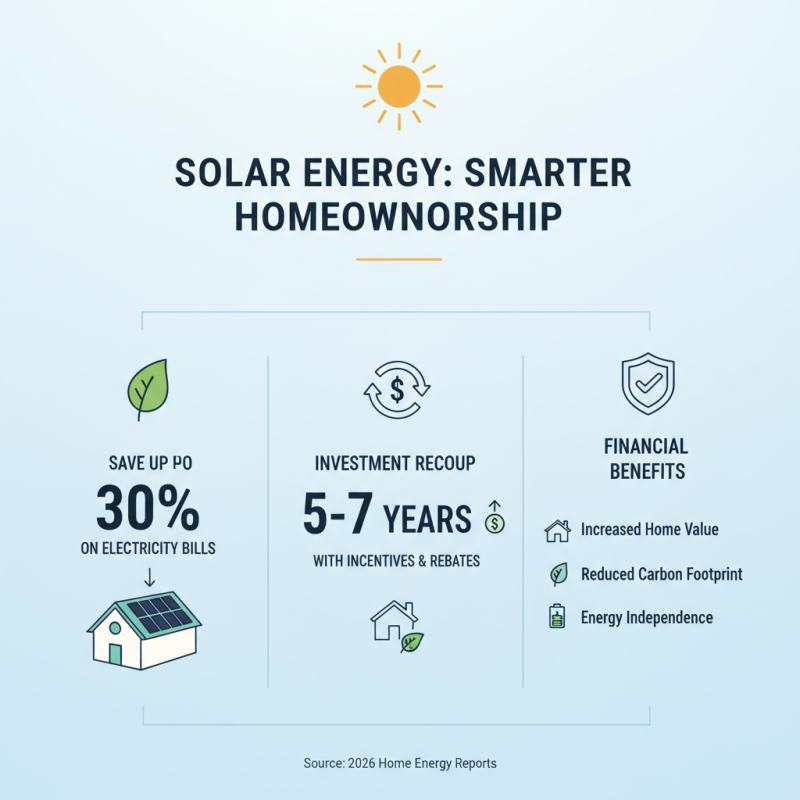
In 2026, homeowners are increasingly aware of the financial benefits associated with solar energy. Reports show that solar panels can save homeowners up to 30% on their electricity bills. This significant reduction makes solar an attractive option. The initial installation cost may seem daunting. However, with state incentives and rebates, many homeowners can recoup their investment within five to seven years.
Moreover, solar energy contributes to property value. Research indicates that homes with solar installations can sell for about 4% more than comparable homes without solar. This increase varies by location, but the trend is clear. Additionally, solar panels can provide stability against rising utility prices. As energy costs continue to climb, the fixed cost of solar energy could offer peace of mind.
Despite these benefits, some homeowners hesitate. They fear the long-term maintenance costs of solar systems. Others worry about aesthetic concerns and potential property restrictions. While these are valid points, the financial upsides should not be overlooked. A thorough analysis of these factors may reveal solar energy is a viable option for many homeowners in 2026.
Environmental Impact and Sustainability: A Solar Perspective
The benefits of solar energy extend far beyond individual homeowners. The environmental impact is significant. Solar systems help reduce greenhouse gas emissions, contributing to cleaner air. By harnessing the sun, we lessen our reliance on fossil fuels. This shift is crucial for combating climate change.
Many homeowners embrace solar energy for its sustainability. Installing solar panels promotes energy independence. However, not all systems are created equal. Some installations may not maximize energy output. It's essential to evaluate the placement and efficiency of the panels. Poor decisions could lead to less than optimal results.
Moreover, the aesthetics of solar panels can cause concern. Some homeowners fear they might detract from their property’s appearance. Yet, innovative designs are emerging. Sleek and modern options now integrate better with various architectural styles. The transition to solar is not just practical; it’s also a step towards a more sustainable future.
Top 10 Benefits of Project Solar for Homeowners in 2026
This chart represents the top 10 benefits of implementing solar energy projects for homeowners in 2026. Each benefit is quantified based on its importance and impact, showcasing how solar energy contributes to cost savings, increased property value, and environmental sustainability, among other advantages.
Technological Advancements in Solar Power Systems for Homes
In 2026, homeowners are experiencing a remarkable shift with advancements in solar power technology. Solar panels are becoming more efficient, converting sunlight into energy at higher rates. Homeowners can now enjoy lower energy bills while relying less on traditional power sources. Additionally, many systems come with integrated smart technology, allowing for real-time monitoring. You can manage energy usage effectively through mobile apps.
Battery storage solutions are also improving significantly. Some systems now offer larger capacity, allowing homeowners to store excess energy during the day for use at night. This not only enhances energy independence but also provides a safety net during power outages. However, these advancements might lead to higher initial costs. Homeowners face a dilemma: invest now or wait for prices to drop further. Balancing immediate benefits with long-term savings can be challenging, especially for those on tight budgets.
Another trend involves solar panel aesthetics. Many homeowners desire sleek, modern designs that integrate seamlessly with their roofs. Unfortunately, not all designs deliver the same efficiency. This area may still need refinement over time. Homeowners should weigh their options carefully, considering both form and function. Uncovering the best fit for personal needs can be a lengthy process, but it's essential for sustainable living.
Government Incentives and Support for Homeowners Adopting Solar Energy
In 2026, the move towards solar energy is more appealing than ever for homeowners. Government incentives are driving this trend. Tax credits make solar systems more affordable. Rebates further lower the costs. Grants also emerge as a significant support mechanism.
Homeowners should act quickly. The policies may change. Research local and federal incentives thoroughly. Each program has specific requirements. File applications on time to avoid delays.
Consider joining community solar programs. These initiatives offer shared benefits. They usually have fewer barriers. Not every homeowner may have a suitable roof. Community solar expands access, giving more options for clean energy.
Some find navigating the paperwork daunting. It’s essential to stay organized. Gather documents early to ensure smooth applications. Attending local workshops can help. They provide insights into the installation process and energy savings. Connect with neighbors who have adopted solar energy; learn from their experiences.