Top Solar Panel Projects for Global Buyers
Global solar development has moved from isolated rooftop systems to utility-scale projects spanning deserts, industrial parks, islands, and remote communities. The International Energy Agency reported that solar photovoltaic capacity additions reached approximately 420 gigawatts in 2023, making solar the fastest-growing renewable technology. IRENA’s Renewable Capacity Statistics 2024 also recorded solar as the largest source of new renewable capacity added worldwide. These figures create strong opportunities for global buyers, but capacity alone does not guarantee a successful project solar panels investment.
The most suitable projects combine reliable modules, practical engineering, strong warranties, and local installation experience. Buyers should examine annual energy yield, temperature coefficients, degradation rates, inverter compatibility, and grid connection requirements. A 500-watt module may appear attractive, yet performance can fall sharply under heat, dust, shading, or weak maintenance. Small details matter. So does the roof structure.
Reports from IEA PVPS and DNV show that project quality increasingly depends on lifecycle performance, storage integration, and responsible supply-chain management. Buyers should request verified test certificates, factory inspection records, bankable warranty terms, and realistic production estimates. Local weather data is essential. A coastal project needs corrosion protection, while a desert site may require frequent cleaning and stronger dust management.
No ranking can fit every market. A project with excellent sunlight may face expensive transmission upgrades. Another with modest sunlight may benefit from nearby demand and simpler permitting. This guide compares leading solar projects through technical, commercial, and operational perspectives. Some conclusions remain open to review, because equipment prices, policies, and grid conditions continue changing.
Solar Panel Projects: Definition, Scope, and Global Market Role
Solar panel projects are planned systems that convert sunlight into electricity for homes, businesses, farms, or utility grids. They include more than panel installation. Site surveys, energy modeling, permits, mounting structures, inverters, wiring, storage, and maintenance all shape the project. A 10-kilowatt rooftop system differs greatly from a 200-megawatt solar farm. Climate, roof direction, land conditions, grid capacity, and local labor also affect results.
For global buyers, project scope means checking the full delivery chain. A reliable assessment should review equipment quality, expected output, warranty terms, installation experience, and long-term service. Buyers should request production estimates based on local sunlight data, not generic brochures. Dusty regions may require frequent cleaning. Coastal sites need careful corrosion protection. In some markets, grid connection delays can cost more than the panels. The numbers may look attractive, but the assumptions deserve scrutiny. Even experienced teams can underestimate permitting time or seasonal output.
Tips: Compare the total project cost, not only the panel price. Ask who handles testing, documentation, repairs, and recycling. Keep a written record of performance data from the first month. A small pilot installation can reveal shading, maintenance, or connection problems before larger investment. Solar projects support the global energy transition by adding local generation and reducing exposure to fuel price changes. Their market role is growing, yet success still depends on practical planning, transparent contracts, and honest performance expectations.
Key Technologies Used in Large-Scale Solar Panel Projects
Top Solar Panel Projects for Global Buyers
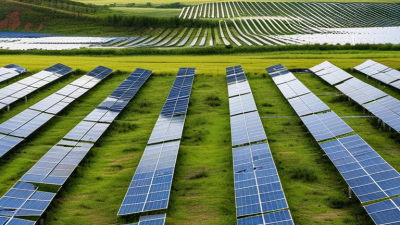
Large-scale solar projects depend on more than high-efficiency panels. Bifacial modules can capture reflected light from pale soil, gravel, or coated surfaces. Single-axis trackers adjust panel angles during the day, improving energy yield in suitable climates. Their performance depends on wind limits, terrain, and maintenance access.
Central inverters convert direct current into grid-ready electricity. Modern monitoring systems collect data from inverters, weather stations, and individual strings. Operators can identify a sudden voltage drop before it becomes a wider failure. Battery storage may reduce output fluctuations, but its value depends on local grid rules and daily demand. This is where project assumptions can fail.
Tips: Check soil reports before selecting foundations. Review wind, snow, dust, and temperature conditions. Ask for measured performance data, not only laboratory ratings. Include spare electrical parts and cleaning plans in the budget. Keep drainage channels clear after heavy rain.
Reliable projects also use strong cable management, surge protection, and thermal inspections. A small connector fault can produce a visible hotspot under infrared scanning. Quality control should cover factory testing, transport damage, installation torque, and commissioning records. Some teams still underestimate dust losses. That mistake is expensive. A practical design leaves space for repairs, safe walking routes, and future equipment changes.
Leading Solar Panel Projects Across Major Global Regions
Top Solar Panel Projects for Global Buyers
Leading Solar Panel Projects Across Major Global Regions
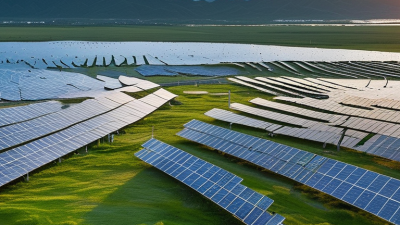
Solar panel projects now reflect each region’s climate, grid capacity, and construction standards. In Southern Europe, utility-scale farms often use dry-climate modules and elevated mounting systems. These designs reduce dust buildup and improve maintenance access. However, summer heat can lower panel output more than buyers expect. Field records should include temperature, wind, and soiling data.
In North America, large projects commonly combine solar generation with battery storage and advanced grid controls. This approach supports evening demand and limits power losses during transmission. In the Middle East and North Africa, engineers focus on heat resistance, sand management, and water-efficient cleaning. Automated dry cleaning can reduce water use, but it may increase equipment costs. Conditions vary. That matters.
Across Southeast Asia, rooftop and floating solar projects serve industrial zones, ports, and island communities. Floating systems can conserve land, yet anchoring methods must withstand storms and changing water levels. In Australia and Latin America, remote projects require stronger logistics planning, spare parts, and technician training. A low-cost installation may become expensive when replacement parts travel thousands of kilometers. Buyers should review tested performance data, independent inspection reports, warranty terms, and local service capacity. No project is perfect. Early forecasts can still miss seasonal cloud cover, grid delays, or soil movement. A careful procurement process leaves room for those uncomfortable findings.
Top Solar Panel Projects for Global Buyers - Leading Solar Panel Projects Across Major Global Regions
| Project |
Country |
Region |
Installed Capacity |
Technology |
Commercial Operation |
Estimated Annual Generation |
Project Status |
| Bhadla Solar Park |
India |
Asia-Pacific |
2,245 MW |
Utility-scale photovoltaic |
2020 |
≈5.3 TWh/year |
Operational |
| Pavagada Solar Park |
India |
Asia-Pacific |
2,050 MW |
Utility-scale photovoltaic |
2019 |
≈3.4 TWh/year |
Operational |
| Tengger Desert Solar Park |
China |
Asia-Pacific |
1,547 MW |
Utility-scale photovoltaic |
2017 |
≈2.0 TWh/year |
Operational |
| Benban Solar Park |
Egypt |
Africa |
1,650 MW |
Utility-scale photovoltaic |
2019 |
≈3.8 TWh/year |
Operational |
| Mohammed bin Rashid Al Maktoum Solar Park |
United Arab Emirates |
Middle East |
3,060 MW
operational capacity |
Photovoltaic and concentrated solar power |
2013–2024 phases |
≈5.7 TWh/year |
Operational; expanding |
| Noor Abu Dhabi Solar Plant |
United Arab Emirates |
Middle East |
1,177 MW |
Utility-scale photovoltaic |
2019 |
≈2.1 TWh/year |
Operational |
| Villanueva Solar Park |
Mexico |
Latin America |
828 MW |
Utility-scale photovoltaic |
2018 |
≈2.0 TWh/year |
Operational |
| Cauchari Solar Project |
Argentina |
Latin America |
300 MW |
High-altitude photovoltaic |
2020 |
≈0.6 TWh/year |
Operational |
| Solar Star Projects |
United States |
North America |
579 MW |
Utility-scale photovoltaic |
2015 |
≈1.7 TWh/year |
Operational |
| Sakaka Solar Project |
Saudi Arabia |
Middle East |
300 MW |
Utility-scale photovoltaic |
2021 |
≈0.7 TWh/year |
Operational |
Note: Installed capacities and commercial-operation dates are based on publicly reported project records. Annual generation figures are approximate estimates calculated from installed capacity and representative regional capacity factors; actual output varies with solar irradiation, availability, curtailment and system losses.