Choosing rooftop solar panels for your home is a significant decision. It requires careful consideration to ensure the best fit for your needs. With many options available, understanding the key factors is crucial.
Rooftop solar systems can lower energy bills and increase property value. However, the wrong choice can lead to inefficiencies. Do you know what to look for in a solar panel? Efficiency ratings, durability, and warranty details are vital. Researching these aspects will empower you to make informed decisions.
Consider the installation process and local regulations. Different areas have specific requirements that can affect your choice. The importance of working with experienced professionals cannot be overstated. Their expertise helps avoid potential pitfalls. Each home is unique, and your system should reflect that individuality.
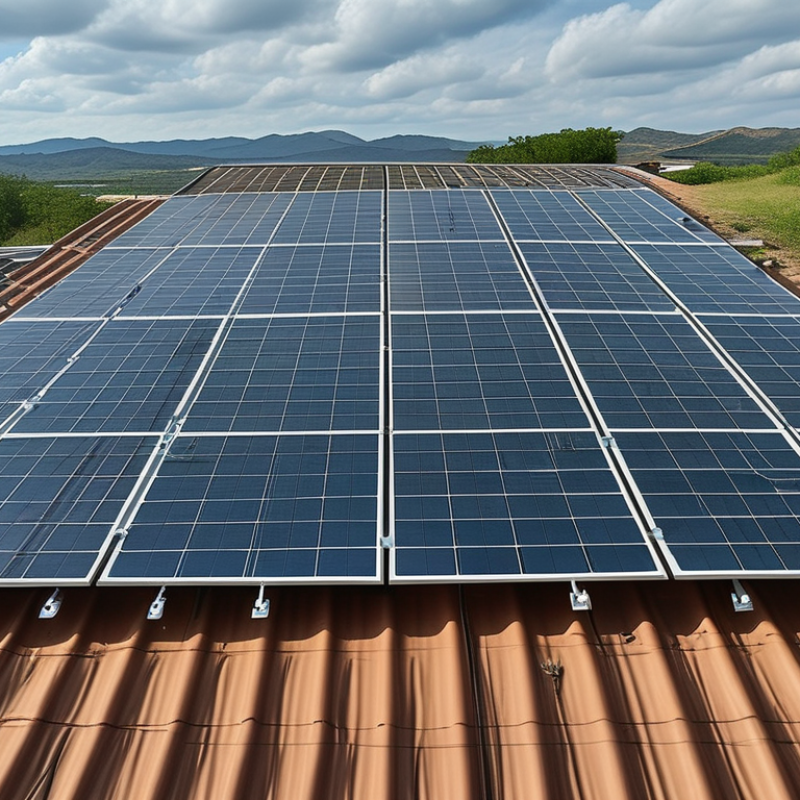
Understanding your energy needs is crucial when selecting rooftop solar panels. Start by assessing your energy consumption patterns. Review past bills to identify peak usage times. This will help you determine how much energy you need. For example, a family with electric heating might require more solar capacity than one relying on gas.
Next, consider your home’s orientation and roof space. If your roof faces south, it typically receives more sunlight. But what if it's shaded by trees? This can affect solar panel efficiency. Analyze potential obstacles like chimneys or neighboring buildings. Sometimes, homeowners underestimate how much space is required for an optimal system.
Lastly, think about your long-term energy goals. Do you plan to expand your family or add electric vehicles? Future energy needs should influence your decision. This might push you to choose a slightly larger system now. Balancing immediate requirements with future expectations is not easy. Reflect on what you genuinely need versus what sounds appealing.
When considering rooftop solar panels, it's crucial to evaluate the various types available. There are three primary categories: monocrystalline, polycrystalline, and thin-film panels. Monocrystalline panels are known for their efficiency and longevity. They perform well in low-light conditions. However, they often come with a higher cost.
Polycrystalline panels are more affordable but slightly less efficient. They are made from multiple silicon crystals. This composition means they generally take up more space for the same energy output. For those on a budget, these could be a practical choice. Thin-film panels, although less common, offer flexibility in installation. Their lightweight design allows them to be installed on varied surfaces, including curved roofs. Yet, they typically have lower efficiency rates and shorter lifespans.
It’s essential to reflect on your energy needs. The right type depends on your available roof space and budget. Examine the warranties and certifications of the panels too. A longer warranty can indicate better durability. As you explore your options, keep energy efficiency ratings in mind. The more informed you are, the better your choice.
When selecting rooftop solar panels, assessing your local climate and sunlight exposure is crucial. Different regions receive varying sunlight hours throughout the year. For instance, according to the National Renewable Energy Laboratory, areas with 5-7 hours of peak sunlight daily can generate significantly more energy. Conversely, locations with persistent cloud cover may not benefit as much. Understanding these factors helps homeowners make informed decisions.
Consider the angle and orientation of your roof as well. A south-facing roof typically captures more sunlight compared to other orientations. A study from Solar Energy Industries Association reveals that even a 15-degree tilt can yield a 10% improvement in energy production. Local weather patterns, such as snowfall or heavy rainfall, must also be taken into account. Panels can perform poorly if they are often covered in snow or shaded by trees.
Incorporating energy efficiency measures before installing solar panels can optimize performance. A well-insulated home can decrease overall energy demand, allowing your solar system to meet energy needs more effectively. The U.S. Department of Energy notes that an efficient home reduces the size of the necessary solar installation, leading to cost savings. Evaluating your specific conditions ensures that you invest in a solar solution that truly matches your needs.
When selecting rooftop solar panels, cost and savings are crucial factors. The price of solar panels can vary significantly based on the type and efficiency. Monocrystalline panels tend to be more efficient but often come with a higher price tag. Understanding the trade-offs between initial costs and long-term savings is essential. It's beneficial to gather quotes and analyze installation costs too.
Potential savings from solar panels can be substantial. Homeowners often see decreases in their energy bills, sometimes up to 50%. However, these savings depend on various factors, including sunlight exposure and local electricity rates. Some might underestimate maintenance costs or overestimate the lifespan of the panels. Regular assessments can help you adjust your expectations.
Remember that not all solar panels are created equal. Research different types, as their performance can vary. Some panels may offer better efficiency, while others focus on affordability. Choose the option that aligns with your financial goals. Weighing the risks and rewards is a crucial part of the decision-making process. Reflecting on whether financial savings meet your expectations will enhance your solar investment journey.
This chart illustrates the average cost per watt of various types of rooftop solar panels, providing insight into which type might offer the best financial savings when installed on residential properties.
When considering rooftop solar panels, choosing a reputable installer is vital. Start by researching local companies. Look for experienced installers with positive customer reviews. Experience matters. A company that has been in business for several years often has a proven track record. Reach out to recent customers. Ask about their experiences, installations, and any issues they faced. This real-world feedback can guide your decision.
Understanding warranties is equally important. Solar panels come with different warranty periods. The typical warranty for panels ranges from 25 years to 30 years. Ensure you know what is covered. Some warranties cover performance, while others include repairs. Check if the warranty includes parts and labor. This clarity can save you money in the future. Be cautious of lengthy fine print. It’s essential to understand the terms fully. Recognizing the limitations of these warranties can help you prepare for surprises down the road.
| Tip Number | Tip | Details |
|---|---|---|
| 1 | Research Local Installers | Check reviews and ratings of local solar panel installers. |
| 2 | Understand the Types of Solar Panels | Learn about monocrystalline, polycrystalline, and thin-film panels. |
| 3 | Check for Certifications | Ensure panels meet industry standards and certifications. |
| 4 | Evaluate Efficiency Ratings | Higher efficiency means more electricity from less space. |
| 5 | Understand Warranty Terms | Look for performance and product warranties for peace of mind. |
| 6 | Get Multiple Quotes | Compare prices and services from different installers. |
| 7 | Inquire About Financing Options | Explore loans, leases, and purchasing options available. |
| 8 | Consider the Installer’s Experience | Select installers with a proven track record and experience. |
| 9 | Look for Local Incentives | Research any state or local grants and tax credits for solar. |
| 10 | Ask About Maintenance and Support | Ensure clear terms for maintenance and monitoring services. |