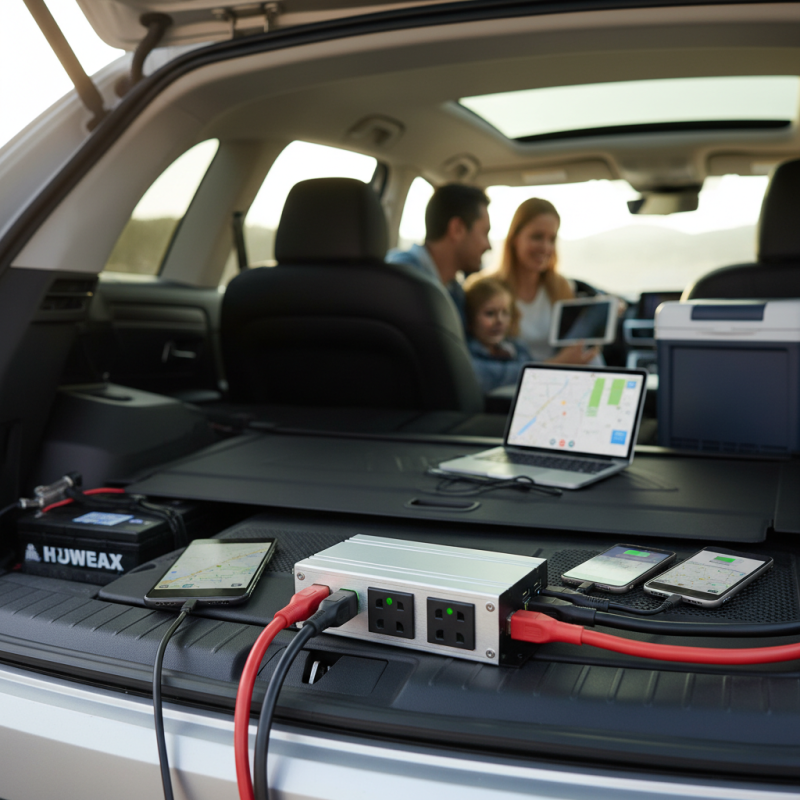
What is a Vehicle Power Inverter and How Does It Work?
In today’s fast-paced world, mobility and convenience are paramount. A vehicle power inverter allows drivers to convert DC power from their car's battery to AC power. This technology supports various devices, making road trips more enjoyable and productive.
John Smith, a renowned expert in automotive technology, stated, "The vehicle power inverter transforms travel by enabling electronics on the go." This statement highlights the importance of power inverters for modern vehicles. They provide essential energy to charge laptops, smartphones, and other devices.
Yet, despite their advantages, some users overlook key details. Proper installation is crucial for safety and efficiency. Many drivers miss this step and face challenges. Understanding how a vehicle power inverter functions is essential for maximizing its potential. Overall, embracing this technology can enhance your driving experience significantly.
What is a Vehicle Power Inverter?
A vehicle power inverter is a device that converts direct current (DC) from a vehicle's battery into alternating current (AC). This process allows users to power various electronic devices, ranging from laptops to small appliances, while on the road. According to industry reports, the demand for mobile power solutions has surged over the last few years. In fact, the market for power inverters is projected to grow at a compound annual growth rate of 4.5% through 2027.
Understanding how a vehicle power inverter works is crucial for users. When you connect your device to the inverter, it draws power from the car’s battery. This battery usually has a capacity of around 50 amp-hours. If you're running high-wattage devices, the inverter needs to be adequately sized. Other factors, like the vehicle's electrical system, can affect performance. Overloading can lead to overheating, which is a common issue noted in reports. Users need to monitor their power usage carefully.
While many inverters come with safety features, some still face reliability issues. Not all inverters handle sudden loads well. Sometimes, the conversion efficiency isn’t optimal. Data shows that low-quality inverters can waste up to 15% of energy during the conversion. This inefficiency can drain your vehicle’s battery faster than expected. Users should be mindful of their choices and consider quality over cost.
Components of a Power Inverter
A vehicle power inverter converts DC electricity from a car battery into AC electricity. This process allows you to use standard appliances while on the road. The inverter has several key components that work together.
The first major component is the transformer. It steps up the voltage from the battery. Without it, appliances would not receive the correct power level. Next is the oscillator. This device creates a high-frequency signal, enabling the inverter to produce AC power. Another crucial part is the control circuit, which ensures efficiency and monitors the inverter’s performance.
Data from industry reports show that inverters can vary widely in efficiency. Some models achieve over 90% efficiency. Yet, others fall below 70%. This disparity affects power consumption and battery life. Additionally, the inverter's size and weight can be limiting factors. Users should select a model that matches their needs without excess bulk. Evaluating these components helps ensure optimal performance.
What is a Vehicle Power Inverter and How Does It Work? - Components of a Power Inverter
| Component | Function | Specifications | Typical Applications |
| Transformer | Steps up voltage from battery | Input: 12V, Output: 120V/230V | Power tools, appliances |
| Rectifier | Converts AC to DC | High efficiency, low voltage drop | Battery charging |
| Inverter Circuit | Converts DC back to AC | Modified Sine Wave or Pure Sine Wave | Home appliances, electronics |
| Control Circuit | Regulates operation and safety | Microcontroller based | Overload protection, shutdown |
| Cooling System | Prevents overheating | Fan or heat sinks | Long duration use |
How Does a Vehicle Power Inverter Work?
A vehicle power inverter is a device that converts DC (direct current) electricity from a car battery into AC (alternating current) electricity. It enables users to power different devices, such as laptops or small appliances, while on the go. Essentially, it transforms the car’s battery output to a usable form for everyday electronics.
The internal components of a vehicle power inverter include transformers and circuits. These components work together to ensure the proper voltage and frequency are delivered to the connected device. For instance, most inverters produce 110V or 220V of AC power. According to industry reports, inverters can effectively provide power to devices up to 2000 watts. This capability can meet the needs of various electronics during long road trips or camping.
Tip: Ensure your inverter can handle the total wattage of the devices you plan to use. It’s essential to avoid overloading the inverter.
Install your inverter close to your car battery. This reduces voltage drop and ensures efficient energy transfer. However, remember that usage can drain your vehicle's battery quickly. Always monitor your battery health to prevent unexpected issues.
Tip: Consider using a deep-cycle battery. These batteries endure deep discharges better and can sustain longer use without damaging your vehicle's main battery.
Types of Vehicle Power Inverters
Vehicle power inverters convert DC power from a vehicle's battery into AC power. This allows you to use household appliances on the go. There are several types of vehicle power inverters available.
One common type is the modified sine wave inverter. It provides basic functionality at a lower cost. However, it may not power sensitive devices well. Some devices might operate inefficiently. Users should check compatibility before connecting appliances.
Pure sine wave inverters deliver cleaner power. They work better for sensitive electronics, like laptops or smartphones. This type is usually more expensive but offers safer and more reliable performance. It's a good investment for frequent travelers.
Tips: When selecting an inverter, match the wattage to your needs. Overloading can cause failures. Also, keep ventilation in mind. Heat buildup can damage your inverter or connected devices. Always read the manual for guidance on safe usage.
Applications of Power Inverters in Vehicles
Power inverters play a crucial role in vehicles. They convert DC (direct current) from the vehicle's battery into AC (alternating current). This transformation allows users to run household appliances or charge devices while on the road. Many travelers find this feature very useful during long trips. It makes life easier by powering everything from laptops to small refrigerators.
Applications of power inverters are diverse. Many campers use them to power lights and cooking equipment. They are invaluable for tailgating. Sports fans can enjoy cold drinks and music without being tethered to a power source. Some businesses utilize inverters for mobile offices. They provide essential power for laptops and other gadgets.
Tips: Consider the wattage of your devices when choosing an inverter. Overloading it can lead to malfunctions. Additionally, remember that not all vehicles can efficiently support high-wattage inverters. Take time to assess your vehicle's capacity before making any purchases. Understanding these limitations is crucial. It saves money and avoids headaches during trips. Users should also check their inverter's compatibility with the devices they intend to power.