How to Create an Engaging Solar System Project for School?
Creating an engaging solar system project can be an exciting journey for students. It allows them to explore the wonders of space while boosting their creativity and research skills. A well-designed project captivates attention and promotes learning through hands-on experience.
To start, students can focus on a specific planet or feature of the solar system. For example, making a 3D model of Jupiter can lead to discussions on its massive storms and unique characteristics. Including facts about each planet encourages thorough research. Moreover, presenting findings in an interactive manner makes the experience even more enjoyable.
However, it's important to acknowledge some challenges. Balancing creativity and scientific accuracy might prove difficult. Students must be mindful of including reliable sources. They can reflect on the constructive feedback received after presentations. Learning from mistakes is a key part of the educational journey. In the end, an inspiring solar system project will not only enhance knowledge but also instill a passion for astronomy.
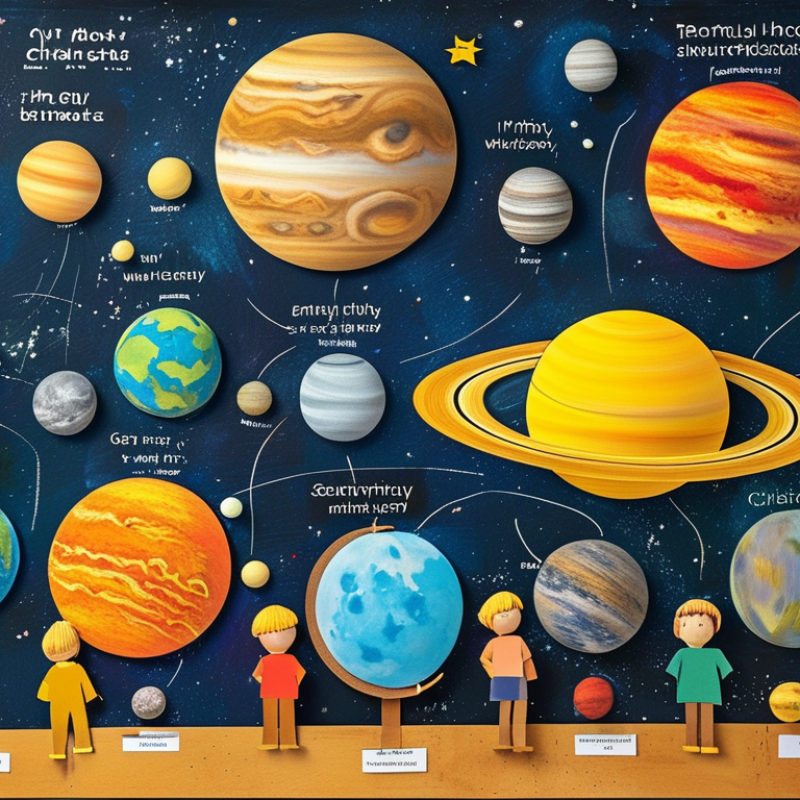
Choosing a Theme: Exploring Diverse Aspects of the Solar System
Choosing a theme for a solar system project can deepen understanding. Students may explore planets, moons, asteroids, or even exoplanets. Each aspect showcases unique characteristics. For instance, Mars has the largest volcano, Olympus Mons, standing at 13.6 miles high. This fact can pique interest and inspires creativity.
Consider exploring the role of gravity. The gravitational pull keeps planets in orbit. This concept is central to understanding celestial mechanics. According to NASA, the sun's gravity accounts for 99.86% of the solar system's mass. This emphasizes the importance of our sun in balancing the entire system.
Another idea is to highlight the similarities and differences among celestial bodies. For instance, compare terrestrial and gas giants. This will encourage critical thinking. However, it’s essential to reflect on complexities. The vastness of space offers endless mysteries. Our knowledge remains limited, and this invites curiosity and research. Each theme can ignite a passion for astronomy, inspiring future scientists.
Engaging Solar System Project: Planetary Diameter Comparison
Gathering Reliable Resources: Utilizing NASA and Other Scientific Databases
Gathering reliable resources is essential for creating an engaging solar system project. NASA offers a wealth of information that is both accurate and accessible. Their databases contain images, videos, and scientific data. For instance, NASA’s Planetary Data System provides over 50 terabytes of data related to planetary research. This resource is invaluable for students wanting to explore the solar system's intricacies.
In addition to NASA, various scientific databases host reputable information. The European Space Agency shares its findings and missions. These resources often include data about atmospheric compositions and planetary geology. For example, research published in the journal Nature showcases new findings about Mars' surface. Utilizing these databases ensures that students present reliable and scientifically-backed information.
While these resources are beneficial, students might find them overwhelming at times. Sifting through vast amounts of data can lead to confusion. Focusing on specific topics can help manage this overflow. Consider picking just a few planets or phenomena. This approach allows for deeper exploration and clearer presentations. Engaging with these robust databases challenges students to think critically and analyze information.
Engaging Presentation Techniques: Utilizing Visual Aids and Interactive Models
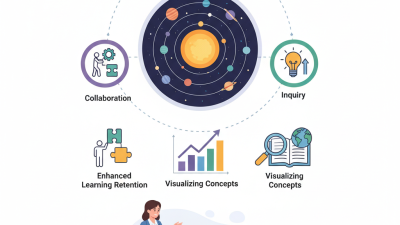
Creating an engaging solar system project requires effective presentation techniques. Utilizing visual aids can significantly enhance understanding. Research shows that people retain 65% of information when they hear it alongside visuals. Infographics and models help convey complex data. For example, a scale model of the solar system can visually illustrate distances between planets, fostering a tangible understanding of vast space.
Interactive models are another powerful tool. Engaging students through hands-on experiences leads to deeper learning. A study by the National Science Foundation found that interactive learning increases retention rates by up to 30%. Students could create a rotating model of the planets. By using simple materials, they can simulate orbits and rotations. This kinesthetic approach makes lessons memorable and enjoyable.
However, it's essential to acknowledge the challenges. Not every student grasps concepts the same way. Some may struggle with the complexity of astronomical scales. Reflecting on these challenges can lead to improved methods. Encouraging feedback can help tailor projects to meet diverse learning needs. Ultimately, effective presentations should evolve, focusing on clarity and engagement.
Incorporating Data: Key Statistics About Planets and Their Orbits
Creating a solar system project can captivate students’ interest in astronomy. To make it engaging, incorporate intriguing statistics about planets and their orbits. For example, Jupiter is the largest planet in our solar system. It has a diameter of about 86,881 miles. This massive size allows it to hold 79 known moons.
In terms of orbit, Mercury is fascinating. It orbits the sun at a speed of 47.87 kilometers per second. This swift motion results in it completing a full orbit around the sun every 88 Earth days. Such statistics can trigger questions about gravity and time. Venus, on the other hand, is known for its thick atmosphere. It traps heat, making it hotter than Mercury, despite being farther from the sun.
Gathering data from reliable sources can provide depth to the project. NASA, for example, publishes extensive reports on planetary facts and missions. Engaging with current findings can spark curiosity and lead to further exploration. The accuracy of these figures allows students to grasp the enormity of our solar system. However, always remind students to question new information critically.
Key Statistics About Planets and Their Orbits
| Planet |
Orbital Period (Earth Years) |
Distance from Sun (Million km) |
Diameter (km) |
Number of Moons |
| Mercury |
0.24 |
57.91 |
4,880 |
0 |
| Venus |
0.61 |
108.21 |
12,104 |
0 |
| Earth |
1.00 |
149.60 |
12,742 |
1 |
| Mars |
1.88 |
227.92 |
6,779 |
2 |
| Jupiter |
11.86 |
778.57 |
139,820 |
79 |
| Saturn |
29.46 |
1,429.99 |
116,460 |
83 |
| Uranus |
84.02 |
2,871.99 |
50,724 |
27 |
| Neptune |
164.79 |
4,498.25 |
49,244 |
14 |
Encouraging Engagement: Interactive Q&A Sessions and Group Activities
Engaging students in a solar system project can be an enriching experience. Interactive Q&A sessions are vital for fostering curiosity. According to a report from the National Science Teaching Association, hands-on learning significantly boosts engagement. By posing open-ended questions, students can express their views and develop critical thinking skills. This method encourages them to explore concepts more deeply.
Group activities are equally essential. They facilitate collaboration, which research indicates enhances learning outcomes. Working together, students can share findings about planets, moons, and other celestial bodies. For example, creating a scale model of the solar system allows students to visualize distances and sizes. They can measure and compare. During this process, students often encounter challenges. This leads to reflective thinking about space and scientific principles they may not have considered.
Encouraging discussion among peers can spark innovative ideas. A study in the Journal of Astronomy Education found that peer discussions can improve comprehension by up to 30%. Asking students to teach each other can reinforce their understanding. By engaging in dialogue, they can address misconceptions and deepen their knowledge of the solar system. Integrating these interactive elements makes the project not just an assignment but an educational journey.